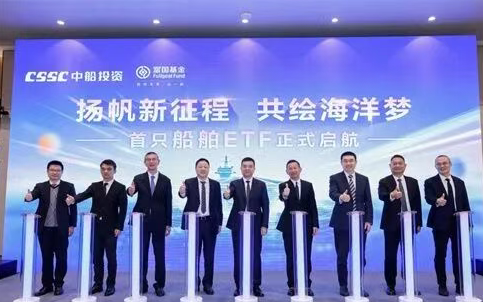
China's first shipbuilding industry index fund launched in Shanghai.
2026年6月23日
On December 19th, the launch ceremony for the China Securities Smart Select Shipbuilding Industry Index Fund product, jointly organized by CSSC Investment and Fullgoal Fund, was held in Shanghai. Peng Yuanpu, Member of the Party Leadership Group and Deputy General Manager of China State Shipbuilding Corporation Limited (CSSC); Zhang Ting, Member of the Party Committee and Deputy President of Industrial Bank; and Pei Changjiang, Chairman of Fullgoal Fund, attended the launch ceremony and delivered speeches. The event, themed "Setting Sail on a New Journey, Together Painting the Ocean Dream," brought together numerous guests from central state-owned enterprise groups, industrial capital, securities companies, listed companies, and partner organizations to witness the official launch of the country's first thematic index fund dedicated to the shipbuilding industry. During the ceremony, participants engaged in thematic discussions on the deep integration of the shipbuilding industry and capital markets. The China Securities Smart Select Shipbuilding Industry Index Fund (referred to as the "Shipbuilding ETF," code: 560713.OF) tracks the China Securities Smart Select Shipbuilding Industry Index and is scheduled to commence issuance on January 12, 2026. The launch of this fund represents a significant initiative to implement the national maritime power strategy and promote the high-quality development of the shipbuilding industry. It serves as a key financial product innovation at the transition between the conclusion of the 14th Five-Year Plan and the commencement of the 15th Five-Year Plan, as well as an important exploration in maintaining the market value of central state-owned listed companies. The collaboration between CSSC and Fullgoal Fund has pioneered a new model of "central state-owned enterprise–fund" cooperation, strengthened the effective linkage between industrial capital and financial resources, and further enhanced the influence and value recognition of the shipbuilding industry in capital markets. Additionally, this fund fills a gap in the capital markets, providing...
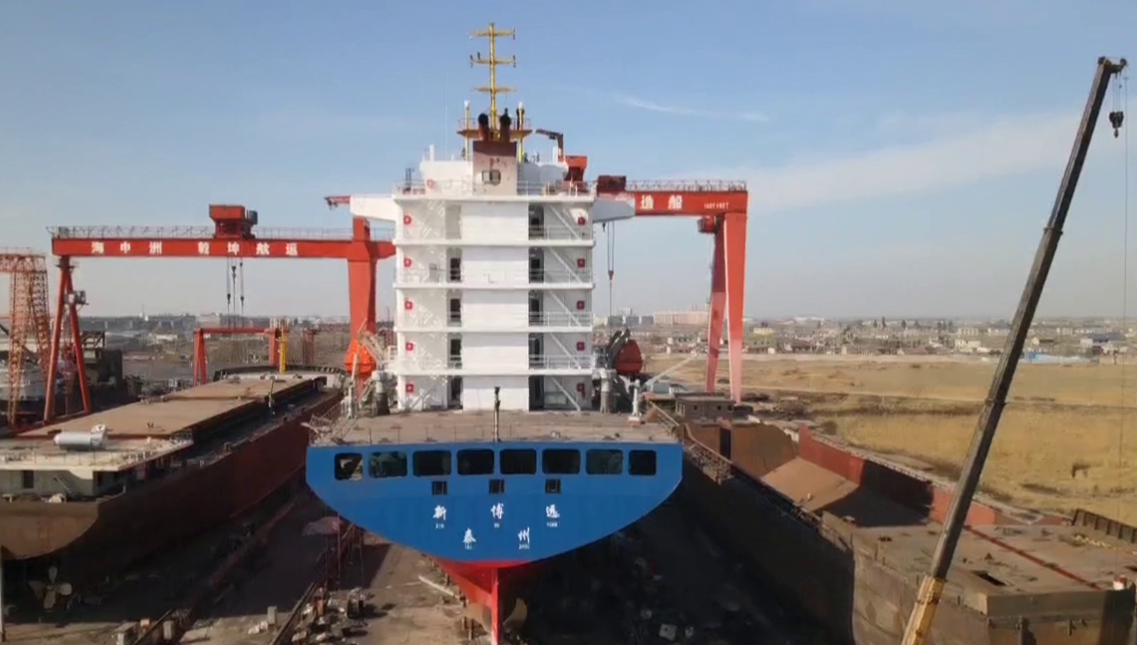
Jiangsu Haizhongzhou Shipping Industry Co., Ltd. and Strategic Partner Achieve Another Milestone with Successful Delivery of Newly Built Bulk Carrier
2026年6月23日
Recently, a modern bulk carrier built by Jiangsu Haizhongzhou Shipping Industry Co., Ltd. for a long-term core shipping client was successfully completed at the company's base, and the delivery documents were officially signed on December 19th. This delivery marks not only a significant milestone in the annual production plan but also a vivid demonstration of the deepened strategic collaborative partnership between the two parties. This vessel is an optimized and upgraded version of the company's mature ship model, with the entire construction process adhering to the principles of green, intelligent, and efficient design. From the outset of the project, the technical teams of both sides worked in close coordination, implementing multiple adaptive design optimizations tailored to the actual operational needs of specific routes. Throughout the construction cycle, the company's project management team maintained seamless communication with the shipowner’s supervision team and classification society surveyors. Through precise schedule control and stringent quality management, the smooth progress of each key milestone was effectively ensured, ultimately guaranteeing the vessel's timely delivery with outstanding comprehensive performance. At the delivery ceremony, a representative of the shipowner stated, "Our collaboration with Haizhongzhou has long transcended a simple buyer-seller relationship. From the initial project discussions to the final smooth handover, we have deeply appreciated the professionalism, integrity, and commitment of the Haizhongzhou team. This vessel is the result of our close collaboration, and we are confident in its future operations." In his speech, Deng Cihuo, Deputy General Manager of the company, emphasized that this successful delivery once again validates the correctness of the company's business philosophy of "being customer demand-oriented and long-term cooperation-based." In the face of a complex market environment, Haizhongzhou Shipping Industry consistently focuses its resources on specialized niche areas. Through continuous technological accumulation and refined management, the company consistently enhances product reliability and construction...
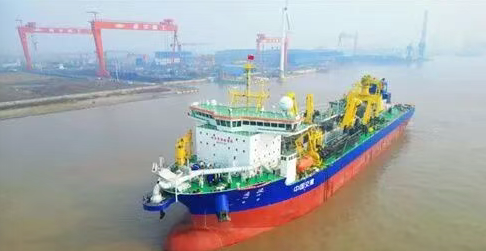
Asia's Largest! China's Independently Developed Super-Large Trailing Suction Hopper Dredger Sets Sail.
2026年6月23日
On December 17th, the "Tong Jun," Asia's largest trailing suction hopper dredger built by Shanghai Zhenhua Heavy Industries Group (ZPMC) for CCCC Tianjin Dredging Co., Ltd., departed from ZPMC’s offshore engineering wharf, officially embarking on a new mission to serve national marine engineering construction. This mega vessel, integrating dredging and reclamation capabilities, marks China’s advancement into the world’s top tier in trailing suction hopper dredger manufacturing, injecting strong momentum into deep-sea development, waterway upgrades, and coastal infrastructure projects. The vessel was coordinated, constructed, and conceptually designed by CCCC Dredging, invested in and led in design and construction by CCCC Tianjin Dredging, with the National Engineering Research Center for Dredging Technology and Equipment handling the design-build contract and developing its intelligent dredging system. Designed by the 708th Research Institute of China State Shipbuilding Corporation and built by ZPMC, it is China’s first independently designed and constructed ultra-large trailing suction hopper dredger with a hopper capacity of 35,000 cubic meters. The "Tong Jun" measures 198 meters in length, 38.5 meters in width, and 18 meters in depth, with a maximum dredging depth of 120 meters and a hopper capacity of 35,000 cubic meters—equivalent to 18 standard swimming pools—ranking first in Asia. Equipped with core technologies such as the "One-Click Dredging" and "Integrated Dredging-Navigation-Survey" intelligent systems, a "One-Drag-Two" compound power propulsion system, and an intelligent energy efficiency management system, the vessel enables a single crew member to handle all navigation and operational tasks, achieving full automation in dredging operations with world-leading intelligent control capabilities. It also features a methanol dual-fuel power system preserve, excelling in efficient dredging, precise slurry discharge, and deep-water operations. Under normal working conditions, the "Tong Jun" can fill its hopper in just 90 minutes, boasting world-leading loading efficiency and a total deadweight of nearly 60,000 tons—comparable to the displacement...
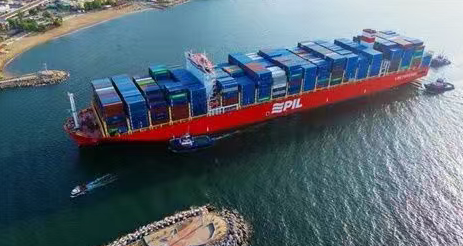
Another 8 Mega Ships! Orders Hit New High with Chinese Shipbuilders as Top Winners.
2026年6月23日
Singapore's Pacific International Lines (PIL) Launches New Round of Fleet Expansion and Renewal, Continues Investment in LNG Dual-Fuel Container ShipsThis year, new orders for container ships have once again set a historical record, with Chinese shipyards securing 72% of these orders, further increasing market concentration. According to TradeWinds, PIL plans to order 4 to 8 LNG dual-fuel 13,000 TEU container ships and issued a tender in November, inviting bids from Chinese and Korean shipyards. Participating shipyards include Yangzijiang Shipbuilding, Guangzhou Shipyard International, Hudong-Zhonghua Shipbuilding, Jiangnan Shipyard, China Merchants Industry, as well as South Korea's HD Hyundai Heavy Industries and Hanwha Ocean (formerly Daewoo Shipbuilding & Marine Engineering). The construction contracts are expected to be finalized early next year. Shipbrokers widely believe that PIL's new ships may not be delivered until 2029, as most shipyards' delivery slots for 2028 are already sold out, making it difficult to secure earlier construction schedules even at Chinese shipyards. Depending on the ship specifications, the cost of a single LNG dual-fuel 13,000 TEU container ship ranges from $160 million to $180 million. If PIL ultimately orders 8 new ships, the total investment would be at least $1.28 billion (approximately RMB 9.02 billion). Last month, South Korea's HMM ordered 12 LNG dual-fuel 13,400 TEU container ships from HD Hyundai and Hanwha Ocean, with each ship costing around $182 million. For reference, Clarksons' data shows that the current price for a new LNG dual-fuel 13,000-14,000 TEU container ship is approximately $172.5 million, a 6% decrease from $183 million during the same period last year. Since 2022, PIL has continued to invest in LNG dual-fuel ships, having ordered a total of 20 LNG dual-fuel container ships from three Chinese shipyards to date. These include 4×14,000 TEU ships from Jiangnan Shipyard, 4×8,000 TEU ships from Yangzijiang Shipbuilding, and 7×13,000 TEU...
Six ships for 830 billion?! Mega order becomes "lifesaving pill" for century-old shipyard.
2026年6月23日
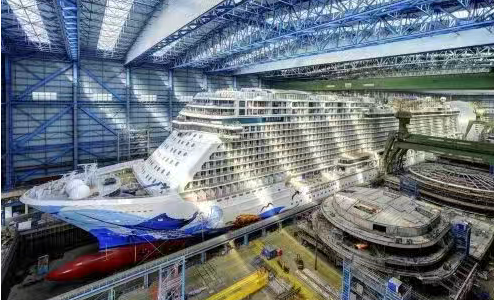
The world's third-largest cruise line, MSC Cruises, is accelerating its new round of fleet renewal and expansion. For the first time, the company has partnered with German shipyard Meyer Werft to secure a blockbuster order worth a total of 83 billion yuan, injecting strong confidence and certainty into this century-old German shipyard, which is currently in a critical phase of restructuring. Up to 6 ships! MSC Cruises collaborates with Meyer Werft for the first time.On December 15, MSC Cruises announced an order with German shipyard Meyer Werft for the construction of 4+2 new-generation New Frontier-class luxury cruise ships. This series of ships has a gross tonnage of approximately 180,000 tons and a maximum passenger capacity of 5,400. The delivery is planned to start in 2030, with one ship delivered annually. If the optional orders are confirmed, they will be delivered in 2034 and 2035. This marks MSC Cruises' first collaboration with Meyer Werft for cruise ship construction.German Minister of Economy Katherina Reiche noted that MSC Cruises' order is valued at up to 10 billion euros (approximately 82.963 billion yuan) and is expected to ensure that Meyer Werft's shipyard in Papenburg, northern Germany, near the Dutch border, maintains full capacity operation until 2035. MSC Cruises Executive Chairman Pierfrancesco Vago stated: "Meyer Werft's outstanding track record, deep expertise, and proud history make it a true benchmark in European shipbuilding. Through this collaboration, we will create ships that redefine the cruise experience while continuing the masterful craftsmanship that has kept Germany at the forefront of maritime engineering. The New Frontier-class ships will enable us to design new and distinctive itineraries, deliver exceptional passenger experiences, and feature a new generation of environmentally friendly technologies, further advancing our commitment to achieving net-zero emissions by 2050." Meyer Werft CEO Bernd Eikens noted: "This new order marks a significant...
Fitch Ratings: Increasing Geopolitical Risks Deteriorate the Outlook for the Shipping Market.
2026年6月23日
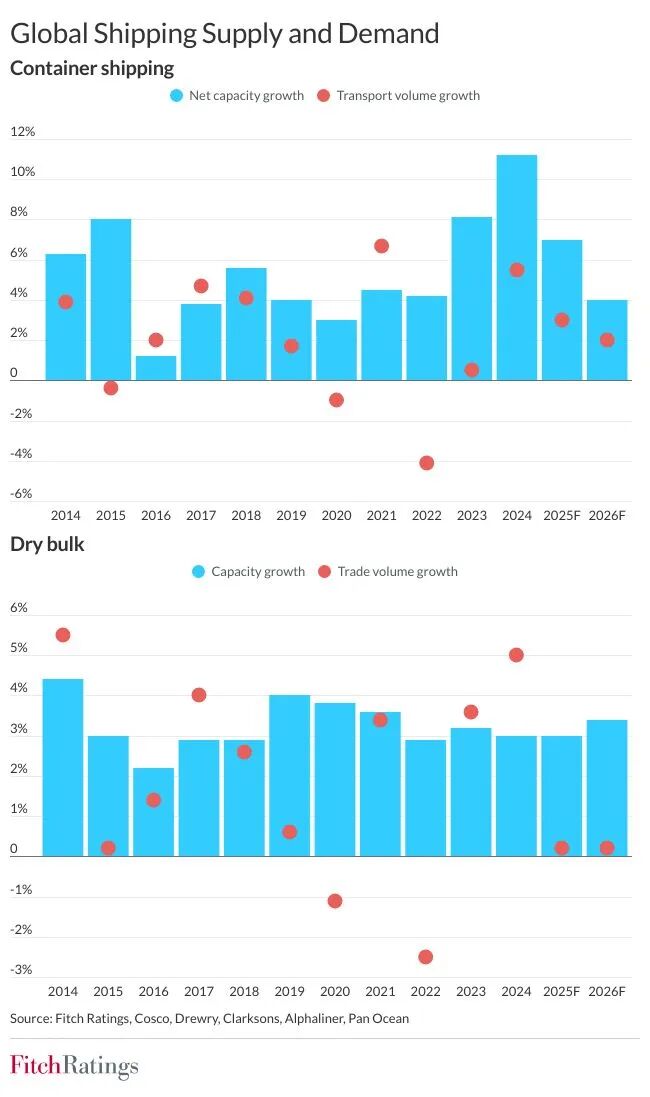
Recently, in its latest report, "Global Shipping Outlook 2026," Fitch Ratings noted that compared to changes in the industry's own supply and demand fundamentals, geopolitical and policy uncertainties have become the primary factors leading to its assessment of a weaker outlook for the global shipping industry in 2026. Related risks include potential tariff escalation, friction caused by protectionism, the resumption of Red Sea routes, uncertainties surrounding the situation in Venezuela, and increasing competition over control of the shipping value chain. In the container shipping sector, Fitch Ratings expects that as supply and demand dynamics become more balanced, declining freight rates will weigh on industry profitability. The overall performance in 2026 may be significantly weaker than current levels. At the same time, if Red Sea routes gradually return to normal operations, this could also create additional downward pressure on freight rates. Regionally, there is a notable divergence in container trade, with North American routes expected to remain significantly weaker than other major markets. In terms of capacity supply, the current order book for container ships is close to 30% of the existing fleet size, reaching a high not seen in over a decade. Fitch Ratings points out that this reflects both shipowners' continued ordering to replace aging vessels and enhance multi-fuel and emission reduction capabilities, as well as the accumulation of pressure from capacity expansion. Overall, future capacity growth is expected to outpace demand growth. However, measures such as an increase in vessel idling, blank sailings, scrapping, and slow steaming could partially mitigate the impact of supply-demand imbalances. The tanker market is regarded by Fitch Ratings as a sector that will remain resilient in 2026, particularly crude oil tankers. Supported by growth in terminal demand and longer transportation distances, ton-mile demand for tankers remains strong. Data show that in 2025, driven...
Deepening Cooperation! U.S. and South Korea Jointly Build LNG Bunkering Vessel
2026年6月23日
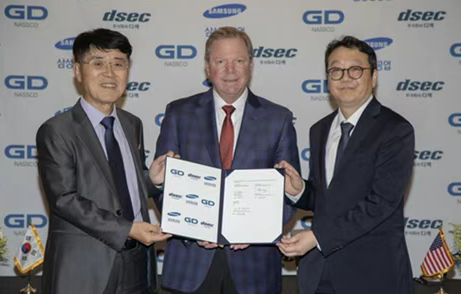
Samsung Heavy Industries is set to expand the scope of the U.S.-South Korea shipbuilding cooperation project "MASGA (Make American Shipbuilding Great Again)" by jointly constructing U.S. Navy logistics support ships with American partners and extending the collaboration to the commercial vessel sector, specifically LNG bunkering vessels, thereby accelerating its efforts to capture the North American market. During the International Workboat Show held in New Orleans, USA, from December 3 to 5, Samsung Heavy Industries signed a tripartite business cooperation agreement with General Dynamics NASSCO and DSEC (Daewoo Ship Engineering Company), a subsidiary of Hanwha Ocean. The three parties will broaden their collaboration to include ship design, equipment supply, talent development, and other areas, while also exploring joint bidding for the U.S. Navy's "Next Generation Logistics Ship." General Dynamics NASSCO, located at the San Diego Naval Base in California, covers an area of approximately 350,000 square meters and specializes in constructing large auxiliary vessels such as bulk carriers, military oil tankers, logistics support ships, and expeditionary mobile base ships. It is the only shipyard in the United States that builds both military and commercial vessels, engaging in the design, procurement, construction, and MRO (Maintenance, Repair, and Overhaul) of commercial ships. Currently, it is also constructing large oil tankers and container ships. At the same time, Samsung Heavy Industries signed a Memorandum of Understanding (MOU) with Conrad Shipyard, headquartered in Louisiana, for the joint construction of LNG bunkering vessels. Conrad Shipyard currently operates five shipyards in Louisiana and Texas, focusing on the construction and maintenance of barges, government vessels, tugboats, and other vessels, with a solid demand base in North America. Samsung Heavy Industries and Conrad Shipyard plan to enter the U.S. market for new vessel types, such as LNG bunkering vessels, through joint construction. Industry insiders in South Korea noted that...
Is the container shipping market warming up? Container freight rates stage a strong rebound.
2026年6月23日
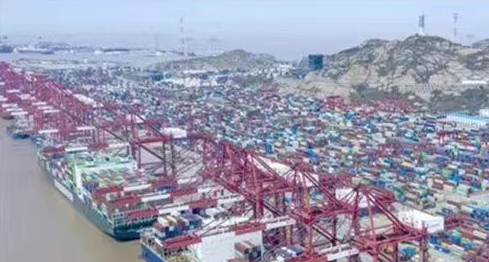
Container Shipping Market Shows Signs of Warming Up as Freight Rates Stage Another Strong Rally According to the latest data released by the Shanghai Shipping Exchange on December 12th, the Shanghai Containerized Freight Index (SCFI) for last week rose by 108.83 points to 1506.46 points, marking a weekly increase of 7.79%. Freight rates on all four major deep-sea routes increased, with rates on the US and Mediterranean routes both surging by over 10%. Last week, the rate per FEU (Forty-foot Equivalent Unit) from the Far East to the US West Coast rose by $230 to $1,780, a weekly increase of 14.84%. The rate per FEU from the Far East to the US East Coast increased by $337 to $2,652, up 14.56% week-on-week. The rate per TEU (Twenty-foot Equivalent Unit) from the Far East to Europe climbed by $138 to $1,538, a 9.86% weekly rise. The rate per TEU from the Far East to the Mediterranean jumped by $437 compared to the previous week to $2,737, representing a significant 19% weekly gain. On the intra-Asia routes, rates showed mixed movements. The rate per TEU from the Far East to Japan's Kansai region remained unchanged from the previous week at $312, while the rate to Japan's Kanto region also held steady at $321. The rate per TEU from the Far East to Southeast Asia increased by $13 to $556, whereas the rate to South Korea saw a slight decline of $4, settling at $139. Industry insiders indicate that last week's SCFI increase primarily reflects shipping lines' announced freight rate hikes for the latter half of December. The goal of this round of increases is to push rates above $2,000 per FEU for the US West Coast route and above $3,000 per FEU for the US East Coast route. However, given limited shipment...
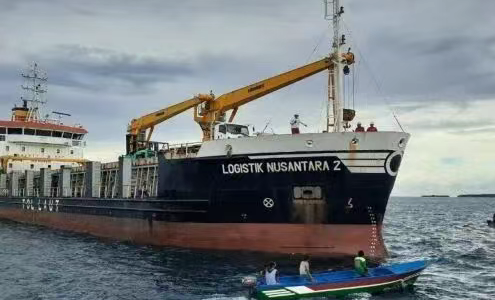
Indonesia's shipbuilding industry expands with output up 15% as localized demand drives growth.
2026年6月23日
Recently, the Indonesian Shipbuilding and Offshore Association (Iperindo) noted that driven by continuously strengthening domestic market demand, Indonesia's shipbuilding industry achieved an output growth of approximately 15% this year compared to last year. Iperindo Chairperson Anita Puji Utami stated that an increasing number of Indonesian shipping companies have recognized the importance of using domestically built vessels. Currently, the overall development prospects for Indonesia's shipbuilding industry remain optimistic. "Next year, we expect the fishing vessel and other shipbuilding markets to grow by at least another 10%, which will further support national economic growth," she said. She also mentioned that aside from the increase in output, the overall scale of Indonesia's shipbuilding industry has expanded by about 30% over the past three years. Currently, Iperindo has 265 member companies covering various related sectors of the maritime industry. It is projected that the number of domestic shipbuilding enterprises in Indonesia could grow by another 20% next year. She added that the development momentum of new shipyards is also on the rise, with current growth ranging between 5% and 10%. The industry's optimism primarily stems from the Indonesian government's shipbuilding construction and vessel modernization initiatives. It is estimated that there is a construction and renewal demand for approximately 20,000 vessels of various types across Indonesia, presenting a vast market opportunity for the domestic shipbuilding industry. According to Iperindo data, its member companies collectively possess an annual ship repair capacity of around 36,000 dock berths and a newbuilding capacity of about 900 berths. Anita Puji Utami stated, "With this capacity, we can, in principle, meet the shipbuilding needs of government departments and state-owned enterprises. This includes the planned project for 80 product tankers by Pertamina and the thousands of vessels required for the domestic fishing fleet modernization program." Furthermore, Iperindo is committed to promoting tug-barge...
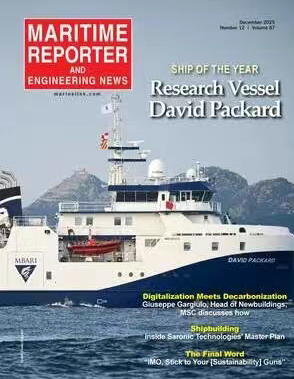
Half Made in China! 2025 World's Top Ships Ranking Released.
2026年6月23日
The "World Significant Ships of 2025" list by the internationally renowned shipping magazine Maritime Reporter & Engineering News has been released. Since 1939, Maritime Reporter & Engineering News has published an annual list of "World Significant Ships." The latest list features six new vessels, built by six shipyards across three countries: three from Chinese shipyards, two from American shipyards, and one from a Spanish shipyard. R/V David Packard Ship Name: R/V David PackardShip Type: Research VesselOwner: MBARI (Monterey Bay Aquarium Research Institute)Shipyard: Freire Shipyard, SpainReason for Selection: The next-generation flagship research vessel for MBARI. BYD Shenzhen Ship Name: BYD ShenzhenShip Type: Car Carrier (PCTC - Pure Car and Truck Carrier)Owner: BYDShipyard: China Merchants Shipbuilding IndustryReason for Selection: The world's largest LNG dual-fuel car carrier. Frederick Paup Ship Name: Frederick PaupShip Type: Trailing Suction Hopper DredgerOwner: Manson ConstructionShipyard: AmFELS Shipyard, USA (formerly Keppel USA Shipyard) Boreas Ship Name: BoreasShip Type: Wind Turbine Installation Vessel (WTIV)Owner: Van OordShipyard: CIMC RafflesReason for Selection: The world's largest and most sustainable offshore wind turbine installation vessel. Wind Ally Ship Name: Wind AllyShip Type: Wind Turbine Installation Vessel (WTIV)Owner: CadelerShipyard: COSCO Shipping Heavy Industry (Qidong) Co., Ltd.Reason for Selection: The first vessel in Cadeler's new generation of A-class series heavy WTIVs. Amelia Island Ship Name: Amelia IslandShip Type: DredgerOwner: Great Lakes Dredge & Dock Corporation (GLDD)Shipyard: Conrad Shipyard, USAReason for Selection: The latest Jones Act-compliant dredger of GLDD, the largest dredging company in the United States.
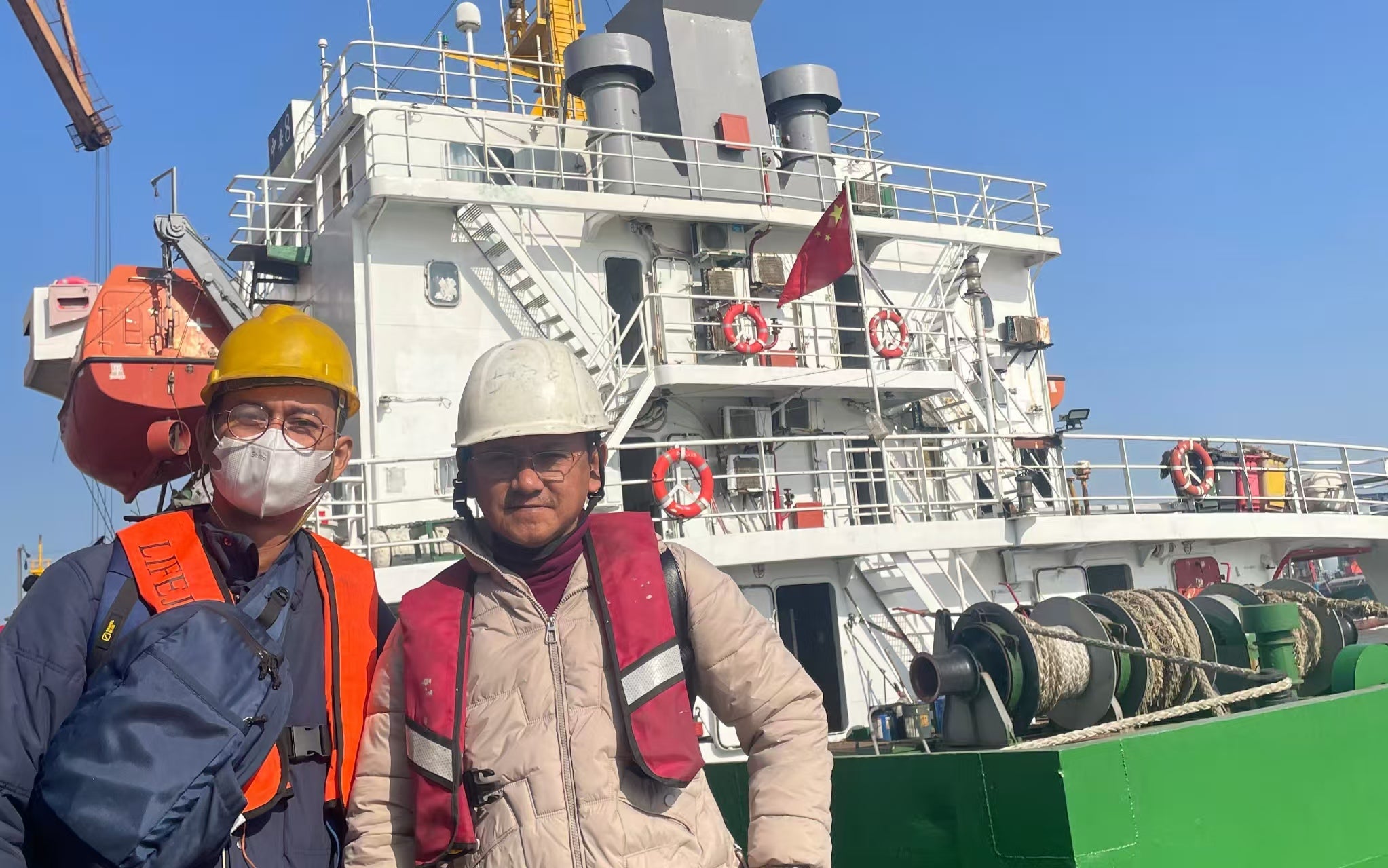
Jiangsu Haizhongzhou Shipping industry, Ltd. Warmly Welcomes Indonesian Shipping Delegation for Inspection and Visit, Exploring New Opportunities for Cooperation.
2026年6月23日
On December 10, 2025, Jiangsu Haizhongzhou Shipping Industry, Ltd. welcomed a distinguished group of guests from Indonesia. The delegation made a special visit to conduct an on-site assessment of our company's shipbuilding capabilities, production processes, and ongoing vessel construction projects, as well as to engage in in-depth discussions regarding future shipbuilding requirements. Accompanied by Mr. Deng Cihuo, Deputy General Manager, and Mr. Lu Feng, Commercial Director, the Indonesian delegation began with a tour of the shipyard. Through detailed presentations, the guests gained a comprehensive understanding of Haizhongzhou Shipping Industry's development history, qualifications, core technologies, and product portfolio. They were deeply impressed by our professional achievements in constructing small and medium-sized multi-purpose vessels, as well as energy-saving and environmentally friendly bulk carriers. Subsequently, the delegation visited the production floor to observe key shipbuilding processes such as cutting, block assembly, and erection firsthand. The advanced CNC equipment, standardized on-site management, and the skilled craftsmanship of our technical workers drew frequent praise from the guests. The Indonesian delegation remarked, "The clean and orderly workshops, along with the high level of automation and standardized workflows at Haizhongzhou Shipping Industry, demonstrate internationally leading modern shipyard management. This greatly strengthens our confidence in partnering with your company." A highlight of the visit was the on-board inspections. The delegation toured several vessels at different stages of construction. Onboard, our engineers provided detailed explanations of the ships' design features, structural layout, equipment selection, and environmental solutions. Indonesian technical experts engaged in lively and professional discussions with our technical team on topics of particular concern to them, such as fuel efficiency, cargo hold optimization, maintenance convenience, and compliance with the latest international conventions. During the discussion session, both sides exchanged views on current international shipping market trends, shipowners' operational needs, and future directions in ship design and technology. Based...
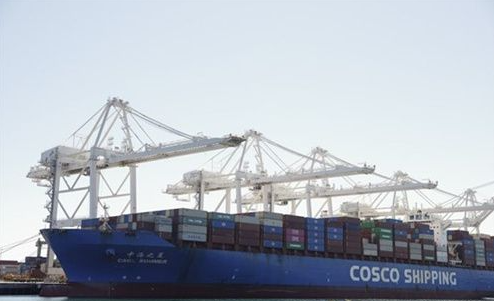
The peak shipping season has receded! Container shipping rates have fallen again.
2026年6月23日
The Christmas shipping peak season has ended, and with weak market cargo volume, container shipping rates have once again declined. According to the latest data released by the Shanghai Shipping Exchange on December 5, the Shanghai Export Containerized Freight Index (SCFI) fell by 5.5 points to 1,397.63 points last week, marking a weekly decline of 0.39%. Among the four major long-haul routes, freight rates for three of them declined, with only the Mediterranean route experiencing an increase. Last week, freight rates from the Far East to the U.S. West Coast fell by $82 to $1,550 per FEU, a weekly drop of 5.02%. Rates from the Far East to the U.S. East Coast declined by $113 to $2,315 per FEU, down 4.65% for the week. Rates from the Far East to Europe decreased by $4 to $1,400 per TEU, a decline of 0.28%. In contrast, rates from the Far East to the Mediterranean rose by $68 to $2,300 per TEU, an increase of 3.05% compared to the previous week. On regional routes, freight rates from the Far East to Japan's Kansai region remained unchanged from the previous week at $312 per TEU, while rates to Japan's Kanto region also held steady at $321 per TEU. Rates to Southeast Asia increased by $3 to $543 per TEU, and rates to South Korea stayed unchanged at $143 per TEU. Industry insiders noted that cargo volumes on U.S. routes have been low, while container ship capacity continues to expand, creating dual pressures that have dragged down freight rates. By late November, rates had dropped to as low as $1,300 per FEU, which is the breakeven point for many shipping companies. To prevent rates from falling further, shipping companies attempted to raise prices by about $600 in the first week of December. However, due to...
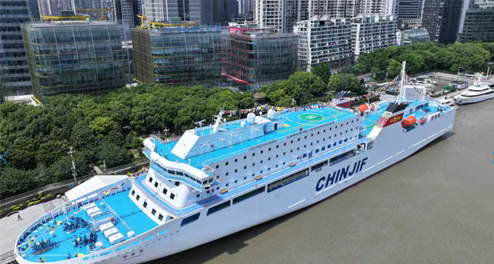
The "Jianzhen" passenger ship, a symbol of China-Japan friendship, suspends its service.
2026年6月23日
As tensions between China and Japan escalate, the ferry "Jianzhen," long regarded as a symbol of friendship between the two nations, has temporarily suspended its passenger transport services and will continue operating cargo-only. China-Japan International Ferry Co., Ltd., the operator of the "Jianzhen," issued a statement on December 8, announcing that the vessel's service between Shanghai and Japan's Osaka and Kobe has been suspended since December 6 due to concerns about the inability to ensure safe travel between the two countries under the current circumstances. The statement noted that this suspension is a "temporary measure," with no confirmed date for resumption. Also on December 8, the Japan-China International Ferry Co., Ltd., the Japanese general agent for the "Jianzhen," released a statement indicating that passenger services have been temporarily suspended starting from the voyage departing Shanghai on December 6. This decision was made in response to notification from Chinese authorities that they are currently unable to guarantee the safety of passengers traveling between China and Japan. All pre-booked tickets will be canceled free of charge, with no cancellation fees imposed. Public information reveals that China-Japan International Ferry Co., Ltd. is a Sino-foreign joint venture established on May 30, 1985, jointly founded by COSCO Shipping Group and Japan-China International Ferry Co., Ltd. Currently, the company operates two advanced ro-ro ships on the China-Japan route: the "Jianzhen," which handles both passenger and cargo transport, and the "New Jianzhen," which is dedicated to cargo services. According to Japanese media reports, while passenger services have been suspended, cargo transport on the Shanghai-Kobe/Osaka route remains unaffected. The vessel docked at Kobe Port on December 8 continued its normal loading and unloading operations. Approximately 70% of passengers on this route are Chinese, with the remaining 30% comprising Japanese and other international travelers. Due to the abrupt nature...
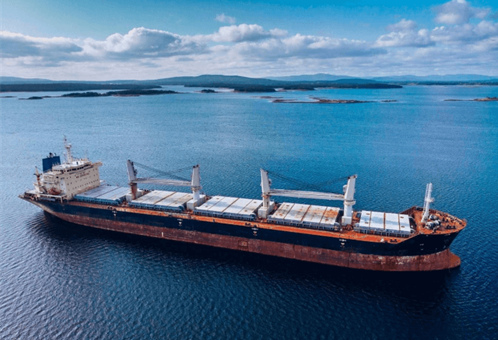
The second-hand bulk carrier market is booming: Chinese buyers lead, Greek shipowners adjust.
2026年6月23日
In 2025, the global dry bulk carrier sales and purchase market remains red-hot, and Greek shipowners are leveraging this opportunity to initiate a "structural reorganization" of their fleets—focusing on smaller, more refined, younger, and larger, more efficient vessel types. According to the latest weekly report from shipbroker Xclusiv, while the bulk carrier sales and purchase market has maintained high liquidity overall this year, significant differences have emerged in the buyer structure across countries. Chinese buyers continue to dominate strongly, with 216 transactions, making them the most active force in global expansion. Greek shipowners follow closely behind with 126 transactions, remaining a major market player but with increasingly precise investment strategies. The market also saw 168 "undisclosed" buyers, largely from private equity funds, traders, and Asian investment institutions, indicating that industry capital is being deployed through more discreet channels—often seen as a signal that the market cycle is entering a later stage. Vietnam has emerged as a new force in Southeast Asia with 41 transactions. In the seller market, Greek shipowners also rank first globally, with 139 vessels sold, followed by Japan (114 vessels) and China (104 vessels). Japanese shipowners continue to implement a steady fleet renewal strategy, focusing on selling mid-aged vessels, while Greek shipowners exhibit a pattern of "high selling and high buying," with the core goal of adjusting their fleet structure rather than merely expanding its scale. Other regions globally collectively sold 331 vessels, reflecting the broad and profound reshaping taking place in the bulk carrier sector in 2025. Greek buyers show clear preferences, comprehensively upgrading their main fleets Xclusiv notes that the 126 bulk carriers purchased by Greek shipowners this year are primarily concentrated in three vessel types: Handy (42 vessels), Kamsarmax (24 vessels), and Ultramax (20 vessels). These three vessel types collectively account for over two-thirds...

Industry-Academia-Research "Alliance"! Focusing on the Integrated Professional Training of "AI + Shipbuilding."
2026年6月23日
Recently, HD Korea Shipbuilding & Offshore Engineering, HD Hyundai Heavy Industries, HD Hyundai Robotics, and other major subsidiaries of HD Hyundai Group signed the "Business Agreement for AI Technology Development Cooperation in the Shipbuilding and Offshore Industry" with Ulsan National Institute of Science and Technology (UNIST) and the University of Ulsan. The agreement aims to strengthen industry-academia-research collaboration in areas such as the development of specialized AI foundational models for the shipbuilding and offshore industry, the construction of a data ecosystem, the cultivation of professional talent, and the revitalization of regional industrial ecosystems. Together, they plan to establish a "Shipbuilding and Offshore AI Super Gap Alliance." In particular, they will focus on nurturing "AI + Shipbuilding" integrated professionals, with an emphasis on cultivating practical, "plug-and-play" talents who can be immediately effective in industrial settings. HD Hyundai Group and UNIST proposed converting data that integrates core technologies and experience in the shipbuilding and offshore fields into "digital national strategic assets," which will serve as critical resources for maintaining South Korea's global competitiveness in shipbuilding. UNIST stated that the institute has taken the lead in establishing AI-based advanced research and educational infrastructure through initiatives such as establishing the AI Graduate School and NOVATUS Academia and launching AI CEO courses. This foundation lays the groundwork for collaborating with HD Hyundai Group to secure a competitive edge in AI for the shipbuilding and offshore industry and strengthen global competitiveness in the AI field. Specifically, HD Hyundai Heavy Industries has digital transformation needs in areas such as "AI-based ship design and engineering automation" and "building smart shipyards," while UNIST possesses AI research and educational infrastructure and has accumulated advantages in AI technologies that address practical field challenges. However, there remain structural limitations in expanding the application of industrial AI. Due to differences in data formats and quality across companies and insufficiently prepared security systems, industrial data faces significant restrictions...
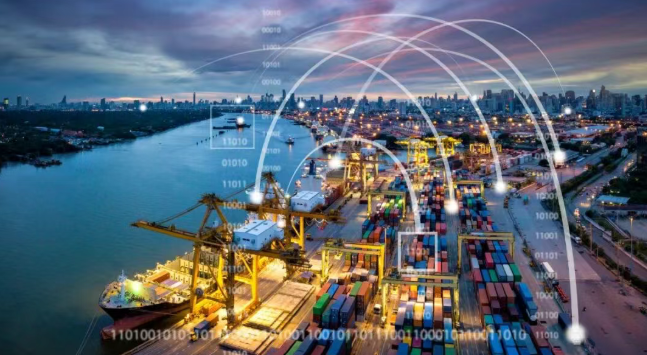
China plans to assist Nigeria in the intelligent upgrading of its ports
2026年6月23日
Recently, China and Nigeria have reached a significant consensus on port modernization—China will provide multidimensional support for the upgrading of Nigeria's ports. This news has once again brought the cooperation between the two countries in the maritime sector into the spotlight. Currently, China has built and operates 52 fully automated terminals, ranking among the highest in the world. These smart ports not only reduce human errors and significantly improve trade efficiency but also shorten vessel turnaround times. In light of Nigeria's current "manual + semi-automated" port operations, China will assist in deploying intelligent infrastructure, covering everything from automated cargo handling to digital gate systems, electronic customs procedures, and maritime communication technology, comprehensively helping Nigeria achieve a "digital transformation" of its ports. Additionally, China plans to support Nigeria in cultivating maritime talent. Apart from offering the "China Maritime Scholarship," China will also invite young Nigerians to participate in the four-week "Global Transportation Innovation Program," helping them quickly master cutting-edge knowledge in the industry.
What impact would the prospect of peace in Ukraine have on the tanker market?
2026年6月23日
Should the peace negotiations to end the war in Ukraine yield positive results, a key variable affecting crude oil flows could be removed. Shipping brokerage firm Gibson noted in its latest weekly report that while negotiations are ongoing, the path to peace remains fraught with uncertainty, and the extent to which trade relations can return to pre-war levels is still unclear. Gibson stated that tanker ton-mile demand increased by 5.4% following the outbreak of the conflict in 2022, and rose by another 7.2% in 2023 as the U.S. embargo on Russian oil and the price cap mechanism took effect. While not all of this growth was attributable to these factors, the majority—particularly in 2023—was indeed linked to them. Since then, the growth in ton-mile demand has slowed, with only a 1% increase in 2024 and a 1% decline year-to-date this year. However, according to the brokerage's analysis, even if a peace agreement is reached, whether trade flows can return to "normal" remains highly contentious. The current leaders of the United Kingdom, France, and Germany, as well as EU member states like the Baltic nations, may strongly resist any shift in trade back toward Russian energy, especially if Ukraine agrees to an "unfavorable deal."Furthermore, the specific details of the 19-point counter-proposal, as well as whether Europe or even Russia participated in its drafting, remain unknown. As a result, Europe's future stance toward Russia and its energy exports remains ambiguous. Assuming any agreement involves the lifting of sanctions, a certain degree of normalization in trade flows could be achieved. However, the key question is whether European refineries will be able to resume imports of Russian crude oil. If this were to happen, trade patterns could gradually move closer to pre-war norms over time, though not completely reverting to them.Next year, European refining...
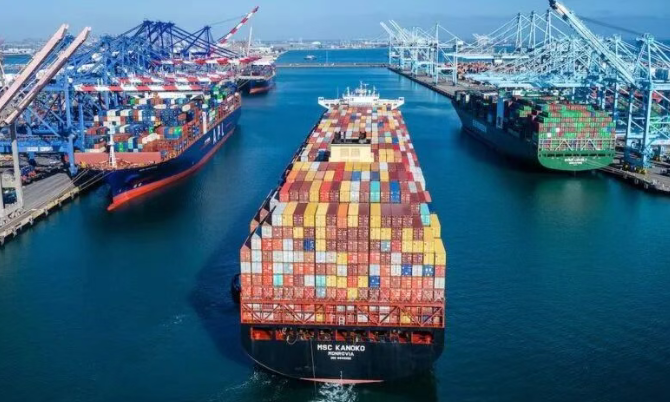
Fare Wars May Make a Comeback!
2026年6月23日
Recently, shipping market research institution Clarkson released data showing that by early November this year, the global container fleet size had historically surpassed the 7,000-vessel mark. Within the past 37 months, the fleet has grown by 1,000 vessels, marking a 16.67% increase over the last three years—setting a new record for fleet expansion speed. Analysis indicates that this rapid growth is closely linked to the post-pandemic shipbuilding boom between 2021 and 2022. Danish maritime consultancy Sea-Intelligence has issued a warning, suggesting that the market may face fierce freight rate competition similar to that seen in 2016. Industry experts widely agree that to maintain market health, shipowners urgently need to accelerate the scrapping of older vessels and rationally control new ship orders. According to analysis by Asian container consultancy Linerlytica, achieving a supply-demand balance in the container shipping market over the next four years will require the scrapping of approximately 4.5 million TEU (twenty-foot equivalent unit) of capacity. However, shipbroker Braemar's statistics show that by the end of August this year, actual scrapping involved only about 12 vessels, with a total capacity of less than 8,500 TEU—far from the target. In terms of newbuilds, global orders for new container ships exceeded 10 million TEU in early September this year, a scale roughly equivalent to the total existing capacity of five Evergreen Marine fleets. Industry leaders have called for new ship construction to focus on replacing older vessels and meeting environmental and emission reduction requirements, rather than blindly expanding capacity. Clarkson further reports that the global container fleet currently totals 7,007 vessels, with a total capacity of 32.7 million TEU. Since 2024, 936 new container ship orders have been placed, indicating a resurgence in the shipbuilding market. If this trend continues, the global container fleet size is expected to approach 8,000 vessels...

It is officially announced: Ge Siyue has been appointed President of Bureau Veritas.
2026年6月23日
As a global leader in testing, inspection, and certification, Bureau Veritas Marine & Offshore (BV) has announced a key personnel appointment: To further advance the optimization of its organizational structure and operational model and support the realization of the Group’s strategic vision, Alex Gregg-Smith will assume the role of President of Bureau Veritas Marine & Offshore. This personnel adjustment is a key initiative by Bureau Veritas to adapt to the transformation trends in the maritime industry and strengthen the leadership of its core business. It will further solidify Bureau Veritas’ global leadership position in the shipbuilding and offshore engineering sectors. Alex Gregg-Smith holds dual British and French citizenship and currently serves as Senior Vice President of the Bureau Veritas Group and President of the Asia-Pacific and China Region for Bureau Veritas Marine & Offshore. Effective January 1, 2026, he will officially assume the role of Global President of Bureau Veritas Marine & Offshore, based in Paris. Upon his appointment, Alex will continue to report to Matthieu de Tugny, who was promoted to Executive Vice President of the Group's Industry and Commodities Division this September. Regarding his new role, Alex Gregg-Smith stated, "The maritime industry is currently at a critical juncture of transformation and serves as a core intersection of global supply and value chains. As President of Bureau Veritas Marine & Offshore, I will leverage the support and empowerment of the Industry and Commodities Product Line to mobilize and integrate the global expertise and technical strengths of the Bureau Veritas Group across all industrial sectors. This will help the maritime industry achieve its goals of green, safe, and sustainable development." Matthieu de Tugny remarked, "Alex possesses a unique and well-suited background for this role, with extensive experience accumulated over more than 20 years across two tenures at Bureau Veritas. He...
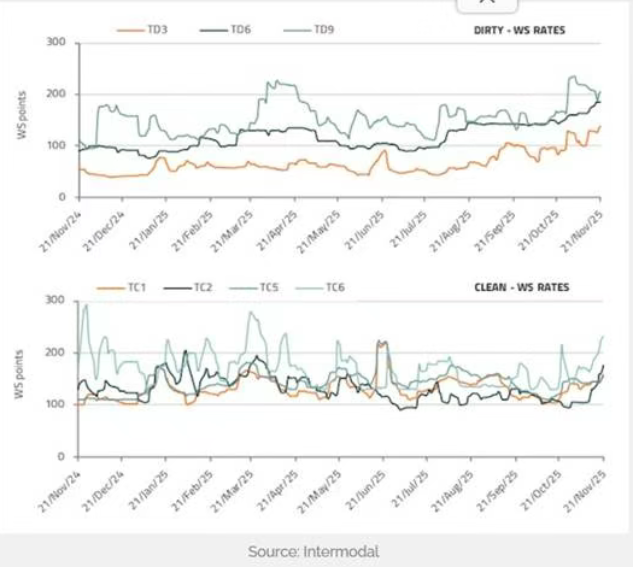
New orders for dry bulk carriers have hit a ten-year low.
2026年6月23日
Since the beginning of 2025, orders for dry bulk carriers have remained sluggish, with shipowners showing weak willingness to place new orders, and market prices have fallen to their lowest point in nearly a decade. In its latest weekly report, the shipbroking firm Intermodal noted that over the past few weeks, Greek shipowners have shown active engagement in the dry bulk newbuilding market, demonstrating a significant recovery trend. Several well-known shipowners have frequently placed orders at shipyards, with Eastmed, OceanBulk, Efnav, and Seanergy committing to orders for Kamsarmax vessels, while Capital Shipping and Seanergy have also entered the Cape-size vessel market. At the same time, Atlantic Bulk Carriers and JME have similarly set their sights on Ultramax vessels. These orders have dominated the recent newbuilding market, highlighting a renewed interest in ordering among Greek buyers. However, this short-term activity stands in sharp contrast to the overall trend in 2025, and as the end of the year approaches, the annual trend line has become clear. The contracting volume for dry bulk carriers this year has been exceptionally low, with only 288 vessels ordered so far, marking the lowest annual figure since 2016 and falling far short of recent levels—549 vessels in 2022, 709 in 2023, and 771 in 2024. While orders have generally slowed across countries, the sharp decline in Greek orders is a key factor behind this year's weak data. In 2025, Greek shipowners ordered only 26 bulk carriers, accounting for approximately 9% of the total, with 18 of these concentrated in October and November. Shipyard choices have also shown a trend toward concentration: apart from three orders placed with Japan, Greek buyers have turned entirely to China, with Hengli Heavy Industries securing nearly 70% of these contracts. In terms of vessel types, Greek orders include 16 Kamsarmax, 7 Ultramax,...
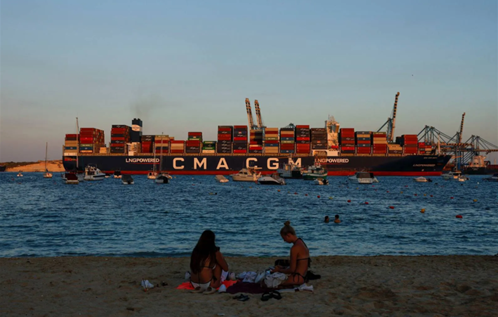
CMA CGM on the Verge of Overtaking Maersk, Aiming for Global Second Place?
2026年6月23日
In recent years, CMA CGM has been steadily expanding its fleet size and its financial performance has been catching up with Maersk, positioning itself to become the world's second-largest liner company. According to the latest financial data, Maersk slightly outperformed CMA CGM in the third quarter of this year with a total revenue of USD 14.2 billion, compared to CMA CGM's revenue of USD 14 billion, reflecting a minimal gap. Looking back to the same period last year (the third quarter of 2024), both companies reported revenues of USD 15.8 billion. Despite the narrow gap in revenue, CMA CGM demonstrated a clear advantage in profitability. A comparative analysis of the third-quarter financial reports of Europe's three major container shipping companies (CMA CGM, Maersk, and Germany's Hapag-Lloyd) by the shipping media outlet ShippingWatch revealed that CMA CGM topped the list with earnings before interest, taxes, depreciation, and amortization (EBITDA) of USD 3 billion, while Maersk reported USD 2.7 billion. This difference in profitability was directly reflected in the margins: CMA CGM's EBITDA margin stood at 21.0%, compared to Maersk's 18.9%, and Hapag-Lloyd, Maersk's partner in the "Gemini Cooperation," reported a margin of 15.8%. This year, the container shipping market has been characterized by declining freight rates and overcapacity, significantly impacting the core shipping operations of the three major carriers. Both Maersk and CMA CGM saw a 17.4% year-on-year decline in their shipping revenues, although there were differences in their performance: CMA CGM's shipping revenue approached USD 9 billion, with a 2.3% increase in cargo volume, while Maersk's shipping revenue was USD 7.8 billion, with a 7% increase in cargo volume. In terms of shipping profitability, CMA CGM continued to lead with an EBITDA of USD 2.2 billion, compared to Maersk's USD 1.8 billion. Meanwhile, Hapag-Lloyd's shipping operations reported an EBITDA of USD 710...
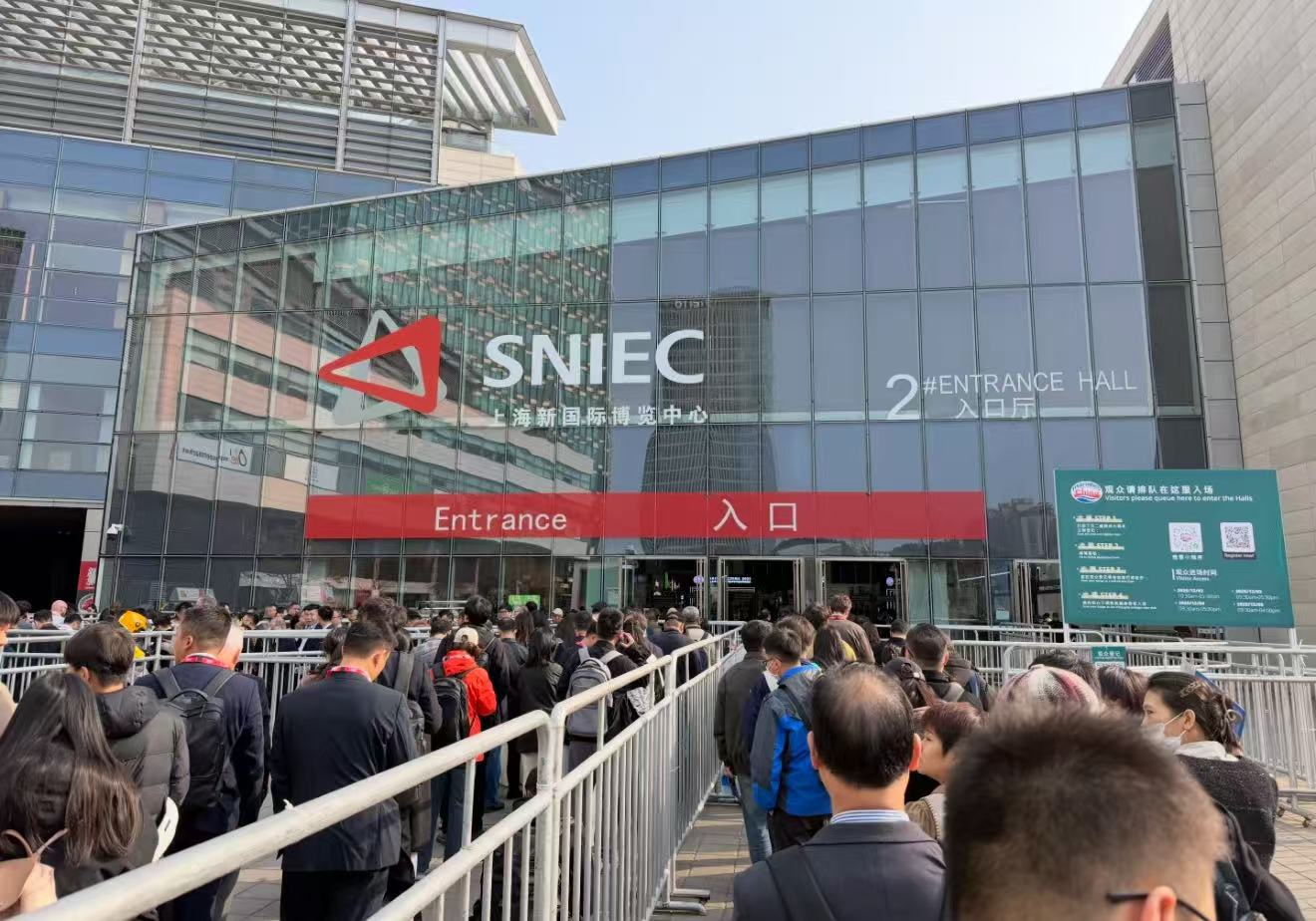
The delegation from Jiangsu Haizhongzhou Shipbuilding Co., Ltd. visited the China International Maritime Exhibition: focusing on cutting-edge technologies and preparing for future navigation.
2026年6月23日
Recently, the 21st China International Maritime Technology Conference and Exhibition was grandly held in Shanghai. A delegation led by Deng Cihuo, Deputy General Manager of our company, and Lu Feng, Commercial Director, traveled to Shanghai for a two-day intensive visit and study tour. This exhibition visit aimed to gain firsthand insights into the latest trends in global maritime technology and acquire cutting-edge expertise for the company's future technological upgrades and strategic development. As one of the most influential events in the global maritime sector, this exhibition brought together leading shipbuilding companies, equipment suppliers, design institutes, and research institutions from around the world. Our delegation focused on exploring core exhibition areas such as green ship technology, intelligent shipping systems, high-end marine equipment, and digital shipbuilding solutions. Through detailed examinations of physical systems and solutions, including ammonia/methanol-powered fuel systems, carbon capture technology, and Ship Energy Efficiency Management Systems (SEMS), the team gained a more intuitive and profound understanding of the technical implementation pathways under the emission reduction strategy of the International Maritime Organization (IMO). This has provided clear benchmarks for upgrading the environmental performance indicators of our company's ship designs currently under development. In the field of intelligent ships, the delegation delved into demonstrations of advanced systems such as integrated navigation, smart engine rooms, and remote operation and maintenance. They also engaged in technical exchanges with several leading suppliers of automation and communication technologies. These technologies not only relate to the future operational models of ships but also pose new requirements for the digitalization and modularization of ship design and construction processes themselves. This has offered valuable insights for the company's efforts to optimize its production lines in line with "intelligent shipbuilding." Additionally, the delegation closely observed innovative achievements in foundational areas such as new composite materials, advanced welding techniques, and high-efficiency...
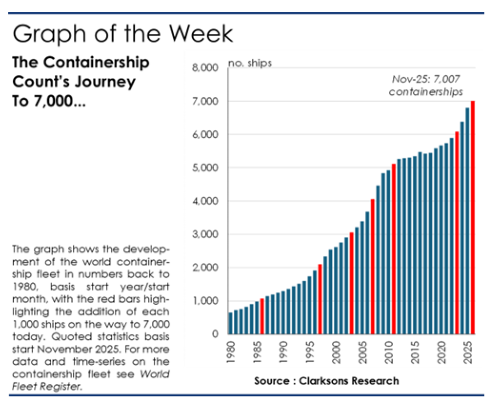
The fastest growth in history! The global container ship fleet surpasses the 7,000-vessel milestone.
2026年6月23日
In November this year, the global container ship fleet exceeded 7,000 vessels for the first time. Clarkson's recent report indicated that as of early November, the operational container ship fleet reached 7,007 vessels, with a total capacity of approximately 32.7 million TEUs. Three years ago, the container ship fleet achieved the milestone of 6,000 vessels in September 2022, with the fleet size at 6,030 ships as of early October 2022. Since then, a total of 1,144 newly built container ships have been delivered into service, with 222 new ships delivered this year alone. In contrast, only 159 older ships have been scrapped and dismantled, with just 11 of these being retired within the current year. This latest addition of over 1,000 vessels entering the market in just 37 months marks the fastest growth rate in history, surpassing the 42-month period from 2006 to 2010 when the fleet expanded from 4,000 to 5,000 ships. The rapid expansion of the container ship fleet during this phase was primarily driven by the "ordering boom" of 2021-2022, during which global shipowners placed orders for 1,094 container ships. The self-owned fleets of container shipping companies saw the most significant growth, adding approximately 861 vessels. To enhance fleet capacity and provide more environmentally friendly services, shipping companies placed a large number of new ship orders, with a majority of these supporting alternative fuels. According to Clarkson's data, since 2020, 32% of new container ship orders by vessel count have been for alternative fuel vessels, with this proportion reaching 57% by TEU. Clarkson's report shows that the expansion of the container ship fleet has been accelerating continuously. Since the inception of container shipping in the 1950s, it was not until 1985 that the fleet size surpassed the 1,000-vessel milestone. The 2,000-vessel milestone was reached in 1996, 3,000...
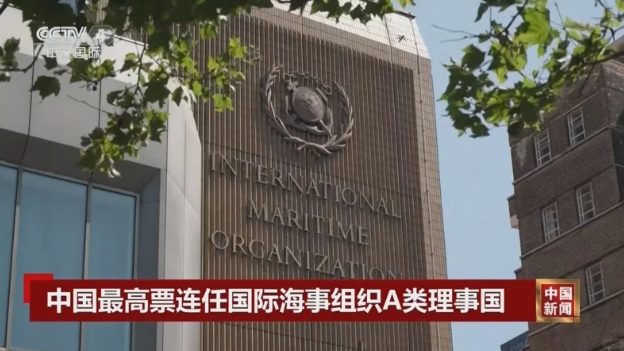
China has been re-elected as a Category A member of the International Maritime Organization with the highest number of votes.
2026年6月23日
The 34th Assembly of the International Maritime Organization (IMO) held a new election for Council members in London, United Kingdom, on the 28th. China was re-elected as a Category A member of the Council with the highest number of votes, marking the 19th consecutive successful election for China. During the election, a total of 169 member states had voting rights, and China received the highest number of votes with 155, highlighting its special status and importance in safeguarding the security and smooth flow of the global industrial and supply chains. Other countries elected as Category A members include Italy, the Republic of Korea, the United Kingdom, Greece, Japan, Panama, the United States, Norway, and Liberia. According to the IMO Convention, this Assembly elected a total of 40 Council members, comprising 10 major maritime nations (Category A), 10 countries with the largest interests in international seaborne trade (Category B), and 20 countries representing major geographical areas with special interests in maritime transport or navigation (Category C). Recently, the opening ceremony of the Permanent Representative Office of the People's Republic of China to the International Maritime Organization was held at the Chinese Embassy in the United Kingdom. In an interview with Xinhua News Agency, IMO Secretary-General Arsenio Dominguez stated that China is a major shipbuilding nation, possesses the world's largest port cluster and numerous shipping companies, and has the capacity to provide a significant number of seafarers to the world. China plays a highly active role in the shipping sector and serves as a "very important player" in international maritime cooperation. The International Maritime Organization is a specialized agency of the United Nations responsible for maritime safety, the prevention of marine pollution from ships, and related legal matters. Its headquarters are located in London, United Kingdom. Currently, the organization has 176 member...
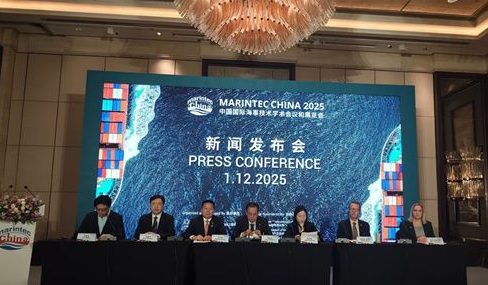
Over 2,200 exhibitors! World's largest maritime trade fair opens.
2026年6月23日
China International Maritime Technology Academic Conference and Exhibition 2025 (Marintec China 2025), inaugurated in the early days of China's reform and opening-up and hailed as the global maritime industry's "barometer," will be held in Shanghai from December 2 to 5, 2025. Under the theme "Innovation and Cooperation for a Sustainable Maritime Future," this edition sets new records in exhibition scale, exhibitor lineup, and professional activities, solidifying its position as the world's largest maritime event overall. It aims to build a comprehensive, multi-level bridge and platform for international maritime exchange and cooperation, injecting new momentum into the high-quality and sustainable development of the global maritime industry while steering it towards a greener, smarter, and more collaborative future. Affected by constraints in shipbuilding capacity and global economic uncertainties, global new shipbuilding order volume is projected to see a significant decline this year. However, Clarksons forecasts that annual new vessel orders could still reach around 120 million deadweight tons (dwt), remaining at a relatively high historical level. According to data from China's Ministry of Industry and Information Technology, in the first three quarters of this year, China's three major shipbuilding indicators, measured in dwt, accounted for 53.8%, 67.3%, and 65.2% of the global total respectively, maintaining its leading global position and demonstrating strong industrial resilience. Looking ahead, factors on both the supply and demand sides—such as the scrapping of older vessels, the release of demand for greener vessel updates, and the difficulty of significantly expanding high-quality shipbuilding capacity in the short term—are expected to continue supporting new vessel prices at relatively high historical levels. Meanwhile, data from DNV's "Alternative Fuels Insight" platform shows that new orders for alternative-fueled vessels in the first half of 2025 increased by 78% compared to the entirety of 2024, highlighting the industry's substantial development potential. Benefiting from the brand...
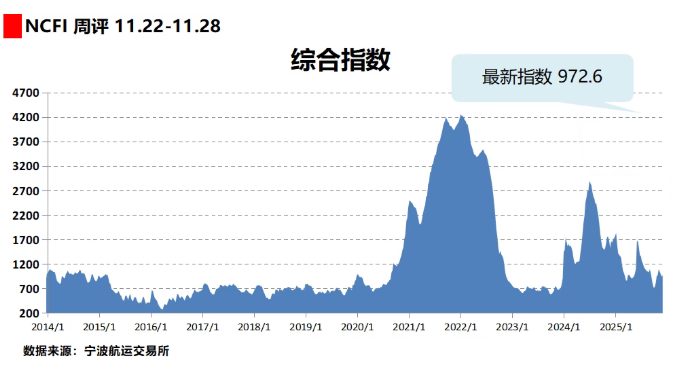
Maritime Silk Road Index: Europe-Mediterranean Supply-Demand Conditions Improve, Composite Index Halts Decline and Rises.
2026年6月23日
The key route index performance for this reporting period is as follows: Europe-Mediterranean Routes:Freight rates for European routes have risen, while cargo volumes on Mediterranean routes remain high, with tight space availability leading to significant rate increases. European route index: 1,024.6 points, up 7.7% week-on-week. East Mediterranean route index: 1,157.4 points, up 17.4% week-on-week. West Mediterranean route index: 1,451.9 points, up 22.6% week-on-week. North American Routes:Overall cargo volumes are insufficient, with space supply exceeding demand, leading to continued declines in freight rates. U.S. East Coast route index: 778.9 points, down 3.6% week-on-week. U.S. West Coast route index: 881.7 points, down 7.8% week-on-week. Middle East Routes:With fewer voyage cancellations at the beginning of the month, capacity remains high while demand is insufficient, resulting in stable to slightly declining freight rates. Middle East route index: 1,134.2 points, down 2.6% week-on-week. West Coast South America Route (Significant Fluctuations This Week):The earlier decline in freight rates to low levels effectively stimulated cargo volume growth. Coupled with liner companies' plans to reduce future capacity, space availability has tightened, leading to a sharp rise in rates. West Coast South America route index: 777.4 points, up 60.4% week-on-week. Freight Rate Index Changes for Major Ports Along the Maritime Silk Road: ASEAN Region:This week, 4 ports saw freight rate index increases, while 2 ports recorded declines. Ningbo (China) – Singapore (Singapore): up 2.7% week-on-week. Ningbo (China) – Port Klang (Malaysia): up 2.8% week-on-week. Ningbo (China) – Ho Chi Minh City (Vietnam): up 5.0% week-on-week. Ningbo (China) – Bangkok (Thailand): down 1.0% week-on-week. Ningbo (China) – Laem Chabang (Thailand): down 1.4% week-on-week. Ningbo (China) – Manila (Philippines): up 1.3% week-on-week. European Region: Ningbo (China) – Constanța (Romania): up 13.9% week-on-week. South Asia Region:This week, 2 ports recorded freight rate index declines. Ningbo (China) – Nhava Sheva (India): down 4.4%...
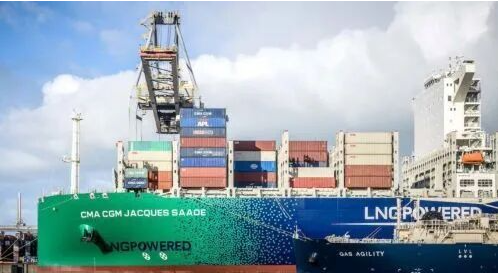
"10 ships? Chinese shipyards sweep the orders! Is a 'cold wave' hitting the global green vessel market?"
2026年6月23日
As global demand in the new shipbuilding market slows overall, shipowners are adopting a more cautious approach toward investing in green vessels, leading to a noticeable deceleration in the pace of new orders for alternative-fuel ships. According to the latest statistics from Clarksons, out of a total of 1,392 new ship orders totaling 64.6 million gross tons from January to October this year, 359 ships totaling 31.4 million gross tons were alternative-fuel vessels, accounting for 43%—lower than the 45% recorded for the full year of last year. In terms of order value, the total global investment in new shipbuilding from January to October this year amounted to $122.5 billion, with orders for alternative-fuel ships valued at $58.2 billion (approximately RMB 411.7 billion), a decrease of 39% year-on-year, representing 47.5% of the total. New orders for alternative-fuel ships this year include 175 LNG-powered vessels (23.4 million gross tons), 57 methanol-powered vessels (6.2 million gross tons), 17 LPG-powered vessels (700,000 gross tons), 4 ethane-powered vessels (100,000 gross tons), and 112 battery/hybrid-powered vessels (1.5 million gross tons). In recent years, the proportion of alternative-fuel ships in new orders has been steadily increasing, rising from just 8.2% in 2016 to 32% in 2021, and reaching an all-time high of 54.8% in 2022. After dipping to 41% in 2023, the proportion rebounded to 45% in 2024. In terms of shipbuilding countries, Clarksons data shows that as of October 2025, all new orders for alternative-fuel ships were secured by Chinese shipyards, totaling 10 ships and 183,400 CGT. These include 5 LNG dual-fuel ships (104,100 CGT), 3 methanol dual-fuel ships (64,000 CGT), and 2 battery/hybrid-powered ships (15,400 CGT). According to Clarksons data, overall, in terms of tonnage, the proportion of ships in the operational fleet capable of using alternative fuels or propulsion systems has now increased to...
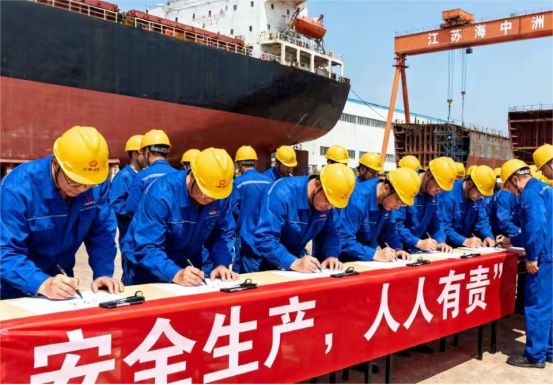
Building a Strong Safety Line, Escorting Steady Development — A Record of the Work Safety Month Activities at Jiangsu Haizhongzhou Shipbuilding
2026年6月23日
Safety: The Eternal Theme and Cornerstone of Shipbuilding Enterprises.The month-long "Work Safety Month" campaign at Jiangsu Haizhongzhou Shipbuilding Co., Ltd. has recently been successfully concluded. This campaign was not a superficial, short-term formality, but a practical initiative with full participation, aimed at profoundly strengthening the foundation of safety management. I. Enhanced Awareness: Embedding Safety Concepts Deep into the HeartAt the beginning of the campaign, the company established a leadership group headed by Deputy General Manager Deng Cihuo and formulated a detailed activity plan. Fully aware that safety awareness is the first line of defense against accidents, the company organized multiple specialized safety knowledge lectures covering all frontline employees. The content was closely aligned with the characteristics of shipbuilding, focusing on risk identification and preventive measures for key procedures such as work at height, confined space entry, lifting operations, and hot work. Training moved beyond rote learning, adopting a "theoretical teaching + case analysis" format. Real-life cases from within the industry were used to alert employees, transforming the "safety first" concept from a slogan into a conscious understanding for every staff member. II. Focus on Practical Drills: Improving Emergency Response CapabilityTheory must be combined with practice. During the campaign, the company purposefully conducted two large-scale practical emergency drills. The first, coordinated with the local fire department, simulated the suppression of an initial workshop fire and the evacuation of personnel, testing the integrity of firefighting facilities and employees' proficiency in using fire equipment. The second drill organized the rescue response for a fall from height in the dock area. The entire process, from discovery and reporting to activating the emergency plan, providing medical aid, and post-incident handling, was clear and responsive, effectively enhancing inter-departmental coordination and emergency response capabilities during unexpected situations. Following the drills, the safety management department promptly conducted debriefings...
The shipbuilding market is experiencing a temporary correction, but the current industry upcycle is not yet over.
2026年6月23日
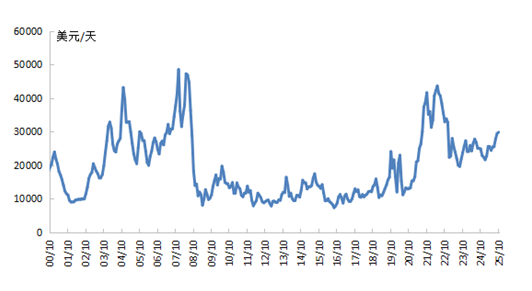
Since 2025, influenced by the relatively sluggish global economy and disruptions from international political events, international shipping rates have experienced median fluctuations, new vessel orders have significantly corrected, and newbuild prices have softened from their highs. Looking ahead, the underlying drivers of the current shipbuilding market cycle remain intact. Supported by factors such as the replacement of aging vessels and the industry's green and intelligent transformation, the global shipbuilding market's broad upcycle is expected to continue. However, the short-term market will still face phased downward pressure, and the competitive landscape is quietly being reshaped. 1.Overall Shipping Rates Fluctuate Around Median Levels, with Sharp Downturns in LNG Carrier and Car Carrier Markets This year, the international shipping market has generally oscillated with an upward bias, yet remains at median historical levels. The ClarkSea Index (a weighted average of earnings for tankers, bulk carriers, container ships, and gas carriers) rose from $21,621/day in January to $29,832/day in October, an increase of 38.0%; its January-October average was $25,805/day, up 1.3% year-on-year. Looking at specific segments, freight indices for bulk carriers and crude oil tankers surged significantly within the year by 114.6% and 39.5% respectively, while spot rates for LNG carriers and LPG carriers saw modest increases of 9.0% and 8.6% respectively. In contrast, container ship freight indices and car carrier rates fell sharply by 35.1% and 34.6% respectively. Concurrently, the January-October average rates for major vessel types declined year-on-year, with LNG carriers and car carriers experiencing drops exceeding 50%. From January to October, the average BDTI (crude tanker) and BCTI (product tanker) indices fell by 24.1% and 10.5% year-on-year respectively; the average BDI (bulk carrier) and CCFI (container ship) indices decreased by 13.7% and 22.9% year-on-year respectively; the average one-year time charter rate for 84,000 cbm VLGCs dropped 20.7% year-on-year; the average spot...
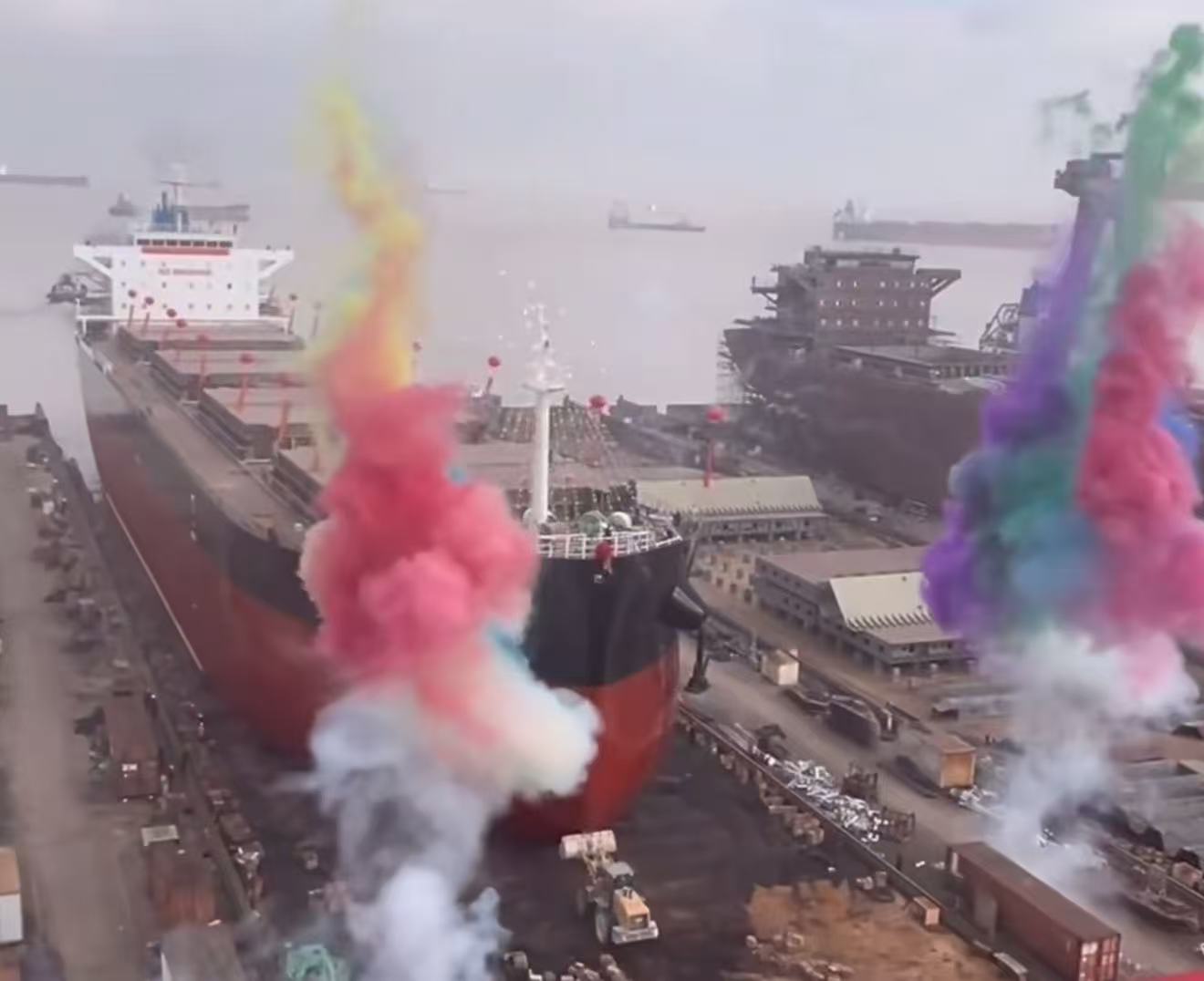
New Voyage, New Triumph! Jiangsu Haizhongzhou Shipbuilding Launches 35,000 DWT Bulk Carrier with Grand Ceremony.
2026年6月23日
On the morning of 27,Nov, under clear skies and a refreshing river breeze, the No. 2 dock of Jiangsu Haizhongzhou Shipbuilding Co., Ltd. was adorned with vibrant flags and filled with distinguished guests, creating a jubilant and lively atmosphere. The company solemnly held the launching ceremony for a meticulously constructed 35,000-deadweight-ton bulk carrier, built for a renowned domestic shipowner. Senior management of the company, representatives from the shipowner, classification society, and other esteemed guests gathered to witness this milestone event. At the auspicious time of 10:18 AM, following the solemn notes of the national anthem, the ceremony officially commenced. Mr. Deng Cihuo, Vice General Manager of Haizhongzhou Shipbuilding, delivered an enthusiastic opening address. He expressed heartfelt gratitude to the shipowner and classification society for their longstanding care and support throughout the project, as well as to all the employees who had tirelessly worked on the front lines. Mr. Deng emphasized that the successful construction of this bulk carrier stands as another testament to the company's deep commitment to the bulk carrier market, technological innovation, and meticulous management. He highlighted that the vessel's advanced design complies with the latest international environmental regulations and achieves industry-leading standards in fuel efficiency, loading flexibility, and navigation safety, making it a truly "green, economical, and safe" ship. In his subsequent address, the shipowner representative highly praised Haizhongzhou Shipbuilding's first-class construction quality and efficient project management capabilities. He stated that the entire construction process, from keel laying to today's launching, demonstrated the exceptional professionalism and collaborative spirit of the Haizhongzhou team, expressing full confidence in the long-term cooperation ahead. At 10:58 AM, amid the anticipation of all attendees, the honored guests jointly activated the launching button. Accompanied by the crisp sound of a champagne bottle breaking against the bow and dazzling ribbons soaring into the air,...
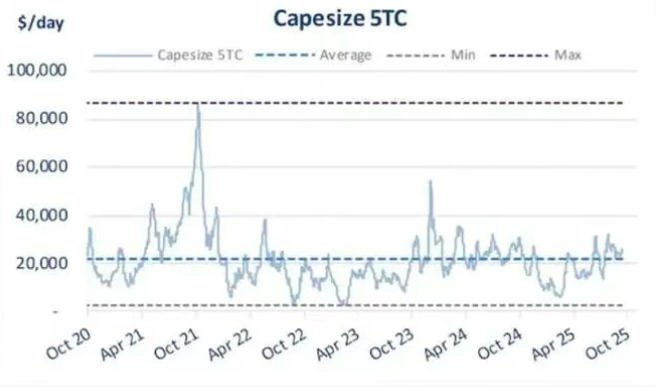
Chinese shipowners dominate new orders at domestic shipyards.
2026年6月23日
Chinese shipowners account for over 65% of the orders placed at domestic shipyards. In its latest weekly report, shipbroker Xclusiv highlighted that Chinese shipyards remain at the core of the global newbuilding landscape, securing the vast majority of bulk carrier and tanker orders. Out of 1,375 global bulk carrier orders, Chinese shipyards are constructing 939, representing 68% of the total. Similarly, of the 1,203 tanker orders globally, China is building 827, accounting for 69%. This not only demonstrates China's unparalleled shipbuilding capacity and price competitiveness but also reflects its strategic focus on safeguarding the security of maritime supply chains. According to Xclusiv analysis, among the 377 bulk carrier orders from Chinese shipowners, Supramax (110 vessels) and Kamsarmax (130 vessels) dominate, together accounting for nearly two-thirds of their dry bulk orders. Additionally, there are 41 Handysize bulk carriers and 23 small bulk carriers. The inclusion of 18 Very Large Ore Carriers (VLOC) and 29 Newcastlemax orders indicates Chinese investors are reallocating capacity for long-haul iron ore imports from Australia and Brazil. In contrast, the relatively smaller Panamax and Post-Panamax fleets reveal a distinct dual strategy: deploying smaller, agile vessels for domestic and intra-Asian trade while utilizing giant carriers to secure raw material imports. Notably, even Japanese shipowners, traditionally known for their conservative and quality-focused approach, are increasingly placing orders with Chinese shipyards. Japan's 96 bulk carrier orders in China are led by 35 Supramax and 35 Kamsarmax vessels, supplemented by 16 Handysize and 10 Newcastlemax vessels. This configuration reflects both Japan's traditional strength in medium-sized specialized bulk carriers and a quiet shift of orders to China due to tight domestic capacity and high costs. For both China and Japan, the Supramax/Kamsarmax segment remains the core battleground, with approximately 470 vessels collectively representing half of China's new bulk carrier orders. A similar...
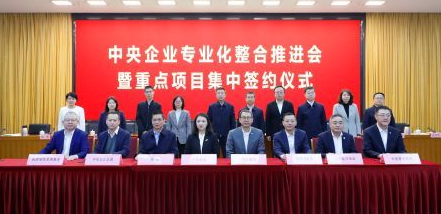
China's First Central Enterprise Cruise Operation Platform Established, Boasting Largest Fleet in Asia.
2026年6月23日
On November 21, the State-owned Assets Supervision and Administration Commission (SASAC) of the State Council convened a meeting to advance the specialized integration of central enterprises and held a signing ceremony for key projects. A total of 17 companies, divided into eight groups, participated in the centralized signing of key projects across two batches. These projects primarily involved critical sectors such as new materials, artificial intelligence, cruise operations, inspection and testing, and aviation logistics. Specialized integration refers to the process through which enterprises break down corporate boundaries and consolidate resources toward advantaged and core businesses by means of asset restructuring, equity cooperation, asset swaps, non-compensated transfers, and strategic alliances. Advancing specialized integration is of great significance for promoting the high-quality development of central enterprises and optimizing the layout and structure of the state-owned economy. The specialized integration projects signed this time not only focus on accelerating breakthroughs in key core technologies and strengthening strategic emerging industries but also aim to continuously integrate high-quality resources, deepen the integration of technological and industrial innovation, and foster the scaling-up of emerging industries. Additionally, they seek to optimize and upgrade traditional industries by leveraging the industrial strengths of all parties involved to facilitate the high-quality development of key industrial chains. Among the signed projects, China Travel International Group Hong Kong Limited took the lead in establishing a central enterprise cruise operation platform company. Following this specialized integration, the platform's fleet size has become the largest in Asia. According to informed sources, the entity of this central enterprise cruise operation platform company is China International Cruise Co., Ltd., established at the end of 2023. Nominally, it will uniformly operate the cruise ships currently controlled by four central enterprises: China Travel International Group Hong Kong Limited, China COSCO Shipping Corporation Limited, China Merchants Group, and China...
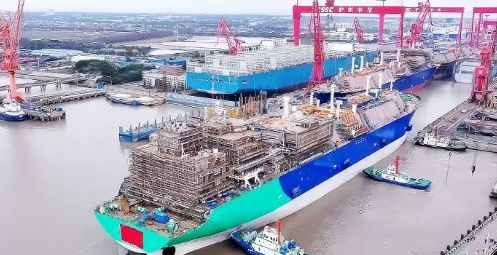
China's shipbuilding industry ranks first in global market share for 16 consecutive years.
2026年6月23日
China's shipbuilding industry has achieved rapid growth in three key indicators during the 14th Five-Year Plan period, maintaining its global leadership, according to the latest data released by the China Association of the National Shipbuilding Industry. By the end of June 2025, during the 14th Five-Year Plan period, China's shipbuilding industry secured 64.2% of global new ship orders, a 15.1 percentage point increase compared to the 13th Five-Year Plan period. This further consolidates China's position as a major shipbuilding nation, with its global market share ranking first for 16 consecutive years. In terms of ship completion, China accounted for 51.7% of the world's total. Measured by compensated gross tonnage (CGT), which reflects ship prices and output value, China's share reached 47.2%, marking increases of 8.6 and 11 percentage points, respectively, compared to the end of the 13th Five-Year Plan period. Li Yanqing, Secretary-General of the China Association of the National Shipbuilding Industry, stated, "A notable feature of the past five years is the significant progress we have made in intelligent and high-end products. We have introduced a series of green products, many of which are global pioneers." During the 14th Five-Year Plan period, China's shipbuilding industry delivered a range of high-end vessels, including a 300,000-ton very large crude carrier (VLCC), dual-fuel powered roll-on/roll-off (ro-ro) ships, and the first domestically built large cruise ship, the "Adora Magic City." Currently, at Shanghai Waigaoqiao Shipbuilding, the construction of the second domestically built large cruise ship is 85% complete. Chen Gang, Chairman of China State Shipbuilding Corporation (CSSC) Waigaoqiao Shipbuilding, announced that the second domestically built large cruise ship is set to undergo sea trials in May 2026 and will be delivered in December 2026. With both quantity and quality on the rise, the profitability of Chinese shipbuilding enterprises has significantly improved. By June...
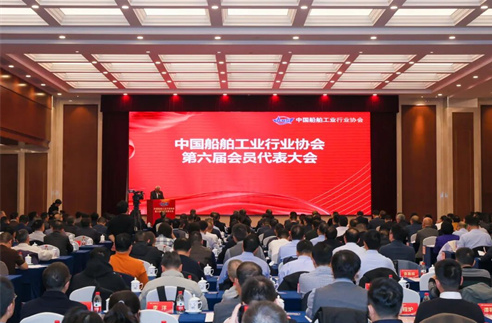
Wang Guoqiang Elected Chairman of the Sixth Council of China Association of the National Shipbuilding Industry.
2026年6月23日
On November 23, 2025, the Sixth Membership Congress of the China Association of the National Shipbuilding Industry was grandly held in Beijing. The congress comprehensively reviewed the work carried out by the fifth council of the association, deliberated and adopted various reports and proposals, and elected the sixth council and the first board of supervisors. In attendance were Xu Chunrong, Director of the Second Department of Equipment Industry under the Ministry of Industry and Information Technology; Guo Dacheng, President of the fifth council; Wu Qiang, Executive Vice President of the fifth council; Chen Minjun, Executive Vice President of the fifth council; candidate leaders for the sixth council; as well as representatives from member units, heads of relevant provincial and municipal shipbuilding associations, and other distinguished guests, totaling over 300 participants. The congress was presided over by Wu Qiang, Executive Vice President of the fifth council. I. Remarkable Achievements: The Fifth Council Delivers an Outstanding Performance Guo Dacheng, President of the fifth council, presented a work report to the congress. The report provided a comprehensive review of the association's activities and achievements during the tenure of the fifth council. It highlighted that the fifth council, uniting and leading all member units, thoroughly implemented the Party's policies, strictly adhered to political discipline and rules, resolutely upheld the "Two Safeguards," firmly embraced and implemented the new development philosophy, and focused on the requirements for high-quality development in the industry. With promoting structural adjustment, transformation, and upgrading of the industry as its primary focus, the council accelerated the reform and development of the shipbuilding industry, achieving commendable results. With the collective efforts and collaborative dedication of all member units, the association has proactively taken on responsibilities and successfully established six core platforms: policy research, member services, information consulting, innovation-driven initiatives, education and training, and...
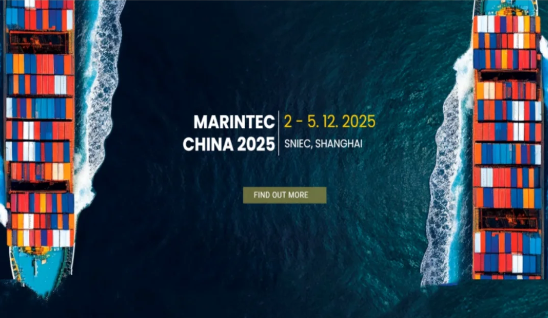
A New Chapter for Shipping Industry Unfolds on the Banks of the Huangpu River: 2025 Marintec China Grandly Opens in Shanghai
2026年6月23日
From December 2nd to 5th, 2025, the Marintec China exhibition will be grandly held at the Shanghai New International Expo Centre. As the largest maritime exhibition in Asia and the second largest globally, this edition is packed with exciting surprises! Breathtaking Scale: The projected exhibition area is set to break through 100,000 square meters. With nearly 80% of the booth space already booked, the overall scale is expected to set a new record, solidifying its status as the "premier feast" for the global maritime industry. New Exhibition Zone Debuts: Alongside the familiar cruise ship interior zone, a brand-new Energytec Future Energy Zone will be launched, centered around "Alternative Energy and its Industrial Chain for the Maritime Sector." This zone will focus on the current industry hotspot of decarbonization, showcasing cutting-edge technologies and solutions to lead the maritime industry towards a sustainable, zero-carbon future. Powerful Line-up of Exhibitors: Leading domestic enterprises such as China State Shipbuilding Corporation Limited (CSSC), Zhenhua Heavy Industries Co., Ltd. (ZPMC), and CATL will participate. International industry giants including ABB, Kawasaki Heavy Industries, and Kongsberg will also be present, gathering the world's top maritime expertise. Extensive Range of Exhibits: The exhibition covers the entire industrial chain – from ship design and construction, docks and shipyards, to navigation and communication systems, marine engineering and equipment, and further to port and terminal equipment and services. Whether you are a industry professional or simply have an interest in maritime affairs, there is plenty to see and discover! This is more than just an exhibition; it's a vital platform for exchange and cooperation within the maritime industry and an unparalleled opportunity to learn about the latest global shipbuilding products, technologies, and concepts. [Click this link to register] and join us on-site to experience the dynamism of the maritime world! https://bj3.infosalons.com.cn/reg/marintecchina2025/web/?wx_aid=68576632252&gdt_vid=wx0ajgayrpxjweuo01&wx_traceid=wx0ajgayrpxjweuo01&weixinadinfo=68576632252.wx0ajgayrpxjweuo01.0.0&traceid=wx0ajgayrpxjweuo01&aid=68576632252&uxinfo=68576632252%7Cwx0ajgayrpxjweuo01%7C68576632252%7C1%7C1763395404%7C0%7C2%7C20141119%7C%7CAgK0Ddn0ADjOdIlorYgJhkMJaSf9jY0Ciyd%2B7xYCzPKazPOXy1ew2Cs1wNQHwexGToEMt6Zd1KUhTA%3D%3D%7C68577171496%7C21%7C0%7CoDdoCt3e8tLE2bxal2s1jNqz6AkI%7C3%7C5973671921%7CMjExOTMyMSwzNTU2OTUwODQzLDI0NTUyMzY4NzgsMjI3NywwLDk2MjUxMDE1NjYxNzUwMDEyMiwyMjY1Nw%3D%3D#/zh/login
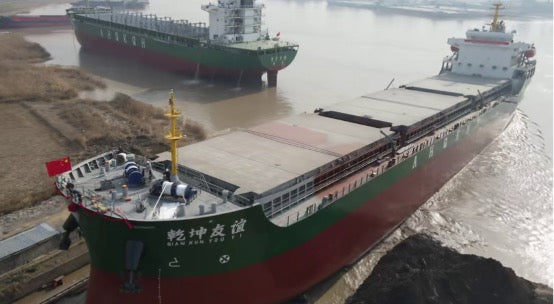
Jiangsu Haizhongzhou Shipbuilding Co., Ltd. Successfully Launches "Qiankun Friendship" Vessel
2026年6月23日
In July,20, the "Qiankun Friendship" vessel, built by Jiangsu Haizhongzhou Shipbuilding Co., Ltd. for a European shipowner, was successfully launched at the No. 2 berth. The vessel took only seven and a half months from the start of construction to its successful launch, nearly one month ahead of the contractual schedule, setting a new benchmark in the shipyard's construction cycle for vessels of the same type.During the construction process, the project team employed a fully digitalized management system, significantly enhancing construction efficiency and quality control through modular pre-outfitting and optimized block assembly. Particularly in key processes such as ship painting and pipeline installation, the use of intelligent inspection equipment enabled comprehensive quality monitoring throughout, ensuring that the construction quality met international standards.During the construction process, the project team employed a fully digitalized management system, significantly enhancing construction efficiency and quality control through modular pre-outfitting and optimized block assembly. Particularly in key processes such as ship painting and pipeline installation, the use of intelligent inspection equipment enabled comprehensive quality monitoring throughout, ensuring that the construction quality met international standards.It is worth noting that during the construction period, the project team successfully overcame challenges posed by fluctuations in the international supply chain. Through precise material management and production scheduling, the team ensured the orderly progression of each project milestone. This successful practice has provided valuable experience for the shipyard in subsequently undertaking international high-end vessel orders.Currently, Jiangsu Haizhongzhou Shipbuilding Co., Ltd. holds orders for various types of bulk carriers, oil tankers, and container ships, with production schedules extending until the end of 2027. The smooth launch of the "Qiankun Friendship" vessel further demonstrates the company's competitive strength in the international ship market, laying a solid foundation for continued global market expansion.
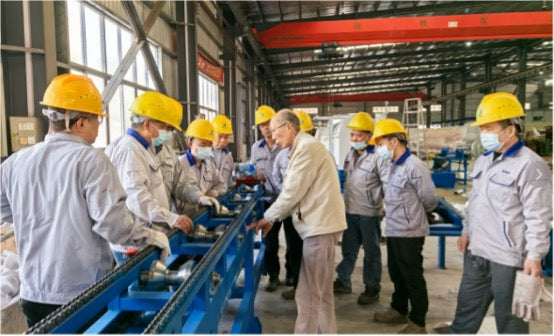
People as the Foundation: Jiangsu Haizhongzhou Shipbuilding Co., Ltd.'s "Mentorship" System Fosters Growth of Young Employees
2026年6月23日
On the workshop floors of Jiangsu Haizhongzhou Shipbuilding Co., Ltd., it is common to see experienced senior masters guiding young employees, explaining technical key points while referring to blueprints. This is a snapshot of the shipyard's long-standing "Mentorship" system, which has provided strong support for building a robust technical talent pipeline.As a cohort of veteran technicians gradually approaches retirement age, accelerating the cultivation of young technical backbone has become crucial for the shipyard's sustainable development. This year, the shipyard has carefully matched over thirty newly hired young employees with technical mentors and signed one-year "Mentorship" agreements. These agreements clearly define training objectives, content, and assessment criteria, covering various core trades from blueprint reading and lofting to assembly and welding."My mentor teaches me not only skills but also the attitude towards work," reflected a young assembly worker. This "passing on, helping, guiding" model not only rapidly enhances the skill level of young employees but also perpetuates the rigorous and responsible craftsmanship spirit of the older generation of shipbuilders.The Human Resources department stated that they will further improve incentive mechanisms to encourage more outstanding senior employees to engage in mentoring, thereby building a solid talent reserve for the shipyard's high-quality development.
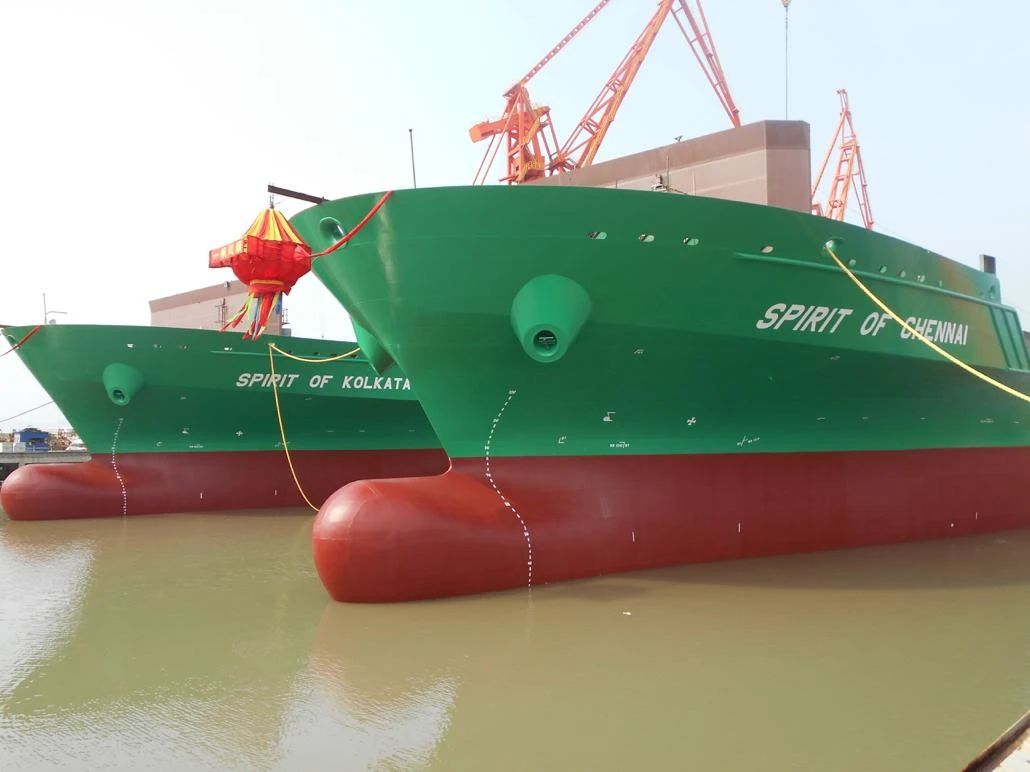
This vessel segment is emerging as the next golden opportunity.
2026年6月23日
As the global shipping market gradually cools from the super-cycle of ocean container shipping, small feeder container ships are quietly becoming the new darling of investors and owners. From Greek shipping magnate Evangelos Marinakis splashing $1.6 billion to order 14 new ships in South Korea, to the low-key yet determined expansion of Erasmus Shipinvest frequently snapping up vessels, to Danish investment firm Capito Capital making its first foray into this sector—all signs indicate that feeder ships, once overlooked by the market, are reclaiming the spotlight. Leading Owners Stage Strong Comeback; Small Ship Orders Surge AgainIn April 2025, Capital Maritime, under Evangelos Marinakis, placed a single order for 14 feeder container ships at HD Hyundai Mipo Dockyard—six 1,800 TEU Bangkokmax vessels and eight 2,800 TEU Chittagongmax vessels—totaling nearly $1.6 billion, with delivery expected by 2027. This move not only reshaped market perceptions of feeder ship investment value but also triggered a wave of "chain reactions." Regional carriers like SITC and Ningbo Ocean Shipping swiftly followed suit. SITC added two 1,800 TEU orders at Huanghai Shipbuilding (SITC’s Q1 revenue surged nearly 40%! New orders increase to 10 ships!), while Ningbo Ocean plans to invest ¥1.4 billion in four 2,700 TEU vessels (Shipyards take note! State-owned carrier announces 4-ship newbuild plan!). Data shows that in just two weeks in late April, 50 new container ship orders were confirmed globally, over half below 3,500 TEU, signaling the "investment heat" for feeders continues to rise. Additionally, Jiangsu Ocean Shipping recently ordered up to 10 feeder-type container ships (Two deals in one day! Jiangsu Ocean signs for 10 new boxships!). Mid-Sized Owners Join the Action: Erasmus Shipinvest Accelerates "Ship Snapping"Beyond major capital players, mid-sized owners are also accelerating their entry into the feeder market. Erasmus Shipinvest Group completed acquisitions of five feeder container ships (1,096–2,741 TEU)...
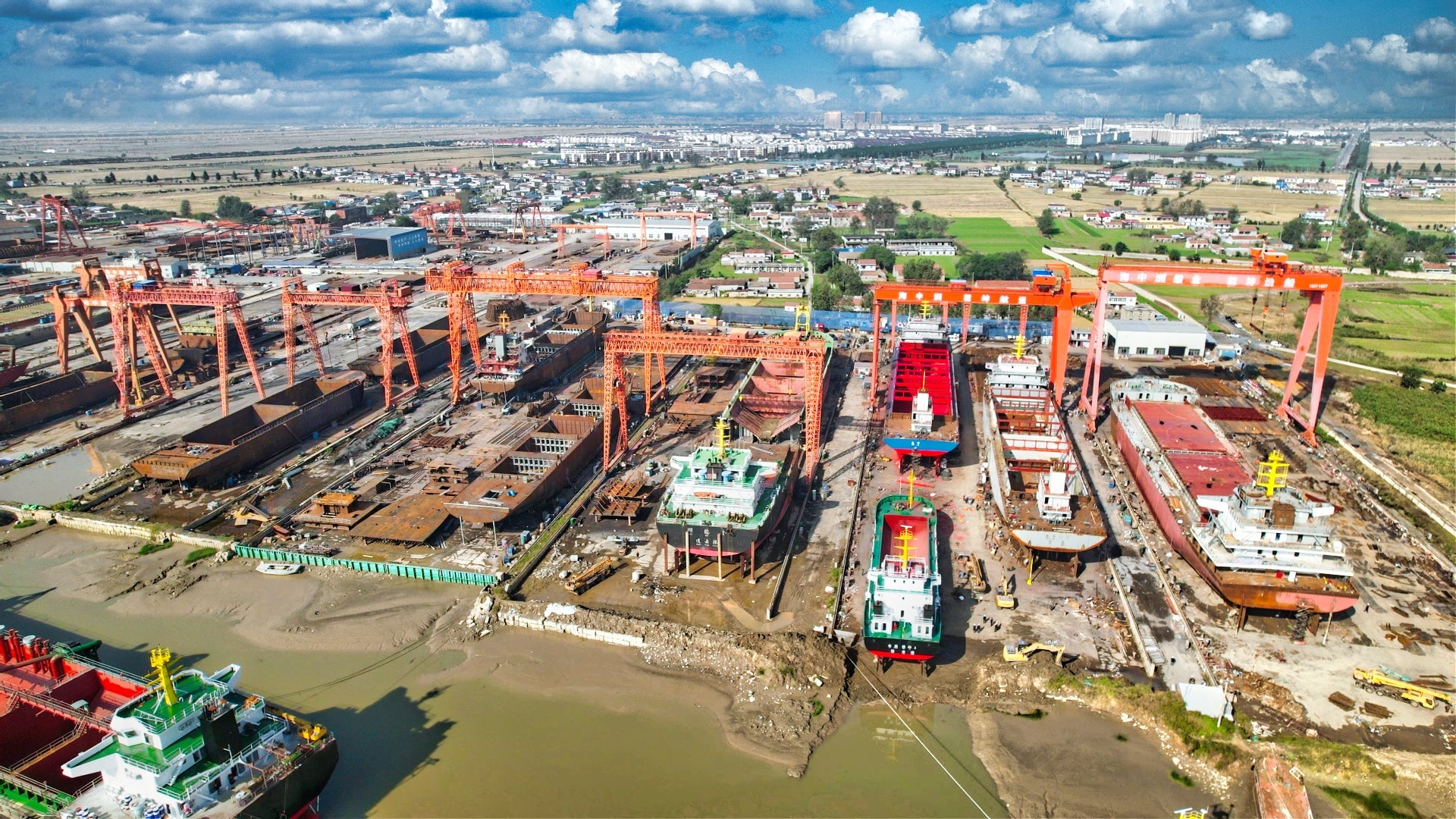
Precautions for container ship construction
2026年6月23日
In today's globalized economic system, the shipping industry plays a crucial role, and container ships, as the backbone of the shipping industry, their construction quality directly affects the safety and transportation efficiency of goods. Our aerospace grade container ship construction solution aims to provide you with the highest quality ship construction services, ensuring that your fleet can maintain a leading position in fierce market competition. 1、 Innovative design concepts Our design philosophy stems from a profound understanding and forward-looking thinking of the needs of ocean transportation. By adopting the latest ship design software and combining advanced technologies in the aerospace field, we are committed to creating container ships that are both environmentally friendly and efficient. Our ship design focuses on optimizing the hull shape to reduce navigation resistance, improve fuel efficiency, and ensure the stability and durability of the hull structure. 2、 Strict material selection In terms of material selection, we insist on using high-quality steel that has undergone strict screening to ensure the strength and corrosion resistance of the ship's hull. At the same time, we also pay attention to the lightweight design of ships, by using new composite materials to reduce the weight of ships, increase cargo capacity, and create more value for customers. 3、 Fine construction technology Our construction team has rich experience in ship construction and pursues the ultimate precision in every construction process. From steel plate cutting, welding to painting, every process is strictly carried out in accordance with the standards of the International Maritime Organization (IMO), ensuring that every detail of ship construction meets the highest standards. 4、 Intelligent system integration In order to improve the operational efficiency of container ships, we have integrated advanced intelligent shipping systems. This system can monitor the operation status of ships in real time, automatically adjust the route...
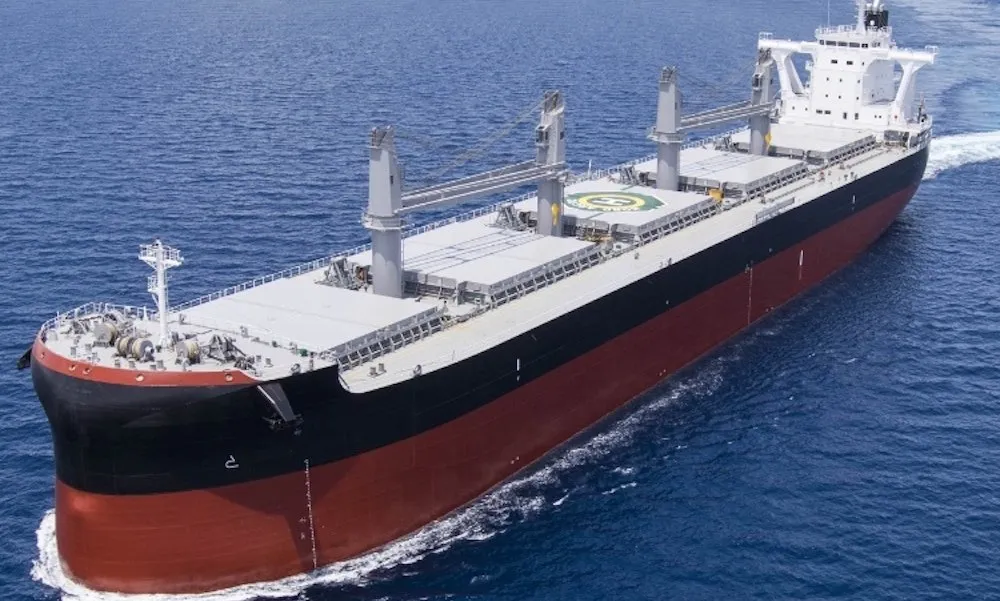
$5.5 Million Jump in 7 Months! This Type of Bulk Carrier Price is Soaring!
2026年5月20日
Recently, a transaction in the dry bulk secondhand market has drawn high attention to Ultramax asset prices. It is reported that the Dominator, a 64,000 dwt Ultramax bulk carrier built in 2021 at Shin Kasado in Japan, was reportedly sold for approximately $38 million. However, its sister vessel, the CMB Bruegel, was sold for $32.5 million in October 2025. In just about 7 months, the price of a similar type, Japanese-built, modern Ultramax has increased by roughly $5.5 million, a rise of nearly 17%. Additionally, in March of this year, the Ability, another vessel of the same age and size built by Shin Kurushima, was also sold for about $37 million, further confirming that modern Japanese-built Ultramax asset prices are rapidly rising. Analyst Liu Qingzhi from BRS pointed out in the latest weekly report that, according to Baltic Exchange valuation data, since February this year, secondhand prices for 5-year-old Ultramax vessels have surpassed the prices of newbuildings of the same type. As of the time of the report's writing, this premium had expanded to about 6% and continues to grow. Second-hand Ships are More Expensive Than Newbuildings BRS data shows that in the first four months of this year, the price of a 5-year-old Ultramax increased by 13.2%, reaching approximately $36.2 million; the price of a 10-year-old Ultramax increased by 15.8%, reaching approximately $28.6 million. Meanwhile, prices for Ultramax vessels aged 15 years and older remained firm, rising 9% in the first four months of this year. Even more noteworthy, the price gap between 5-year-old and 10-year-old Ultramax vessels has narrowed from 26% in 2025 to 20%. This indicates that the price increase is not limited to a few of the newest, highest-quality vessels, but rather the entire secondhand Ultramax asset curve is being pushed higher. Reasons for the Price Inversion...